On ‘Mad Men,’ Sterling Cooper gets a Jewish copywriter
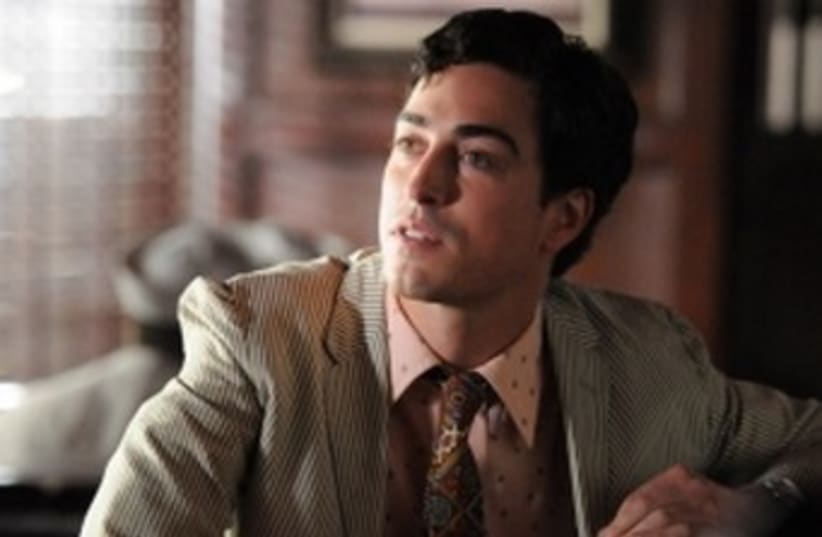
Michael Ginsberg, played by Ben Feldman, is the new Jewish copywriter on the AMC award-winning show "Mad Men."
By AMI EDEN/JTAMad Men Jewish character Michael Ginsberg 370(photo credit: Michael Yarish/AMC)
NEW YORK - “Mad Men” is like the Jews -- it gets a lot of attention for a show watched by less than 2 percent of the population.To kick off its fifth season, the 1960s period program, winner of four straight Emmys for best drama, has a new Jewish character. To be more precise, the advertising firm at the center of the AMC show has its first Jewish employee: Michael Ginsburg (played by Ben Feldman).And he’s, well, too Jewish.At least he was in his first appearance, the two-episode season premiere earlier this month. It was like watching Eugene in a high school performance of “Brighton Beach Memoirs.”You know you have a problem when Roger Sterling and the WASPs at the advertising firm formerly known as Sterling Cooper seem less offensive than the show’s creator, Matt Weiner, and the writing crew (actually, Jon “Don Draper” Hamm directed the episode, so maybe he bears some of the blame).The whining: Think Woody Allen on steroids. And the father … oy, with the Yiddish accent. It was like watching one of the well-meaning gentiles from “Waiting for Guffman” take a stab at the father from “Shine" (Armin Mueller-Stahl: No one will love you like I do).If that weren’t enough, the episode ended with Ginsburg telling his father that he got the copywriter’s job and dad breaking out the priestly blessing generally recited by parents over their children at the Shabbos table.Things took a turn for the better last weekend in the season’s third episode.Whether Ginsburg was feeling more comfortable at work or the show's writers had gotten some shtick out of their system, the character felt less forced. (OK, he staged a holier-than-thou walkout and had a talk-too-much moment that could have had him fired, but that just tells you how bad things were the previous episode.)Ginsburg even gave us a line worth chewing on. After Don -- that’s Don Draper, the firm’s creative director and the show’s sexy, charming and womanizing protagonist -- makes a crack about Ginsburg's voice, Ginsburg responds without missing a beat: "It's a regional accent -- you have one, too."It was a nice turnaround, reminding us that Don (he's not who he says he is) was really the first one to crash the rarefied WASP party.And it fits an emerging pattern: This season, Don has hired the firm’s first Jewish employee (Ginsburg) and its first black employee (Dawn, a secretary, played by Teyonah Parris). This week we had Ginsburg's you're-just-like-me line, last week we had the quip about people confusing Don and Dawn.None of this should come as a surprise. After all, it was Don who gave Peggy her break as the firm's first woman copywriter.This isn't meant as some sort of ode to Don -- like with everything else, the good deeds are colored by his own self-interest. Yes, all things being equal, Don thinks people should be judged by the work. But having the new arrivals around also provides emotional reassurance and validation, reinforcing his own membership in the old boys club.At least one “Mad Men” viewer wrote in to take issue with the argument that the show overdid it on the Jewish in Ginsburg’s first episode.“Jews have to UNLEARN 45 years of being in the Establishment and think about how the first Jews may have been perceived and may have been culturally out of sync entering big advertising, investment and law firms in the mid-60s,” the viewer argued. “The character's performance seems a little over the top to us, but to us, firms that have no Jews working in them are anecdotes from before being born, not reality. Maybe this isn't the way it objectively looked in 1966 -- but I'd say it’s a pretty good bet it’s the way it looked to the WASPy denizens of these firms hiring their first Jews. Sort of like the great Wisconsin dinner scene in ‘Annie Hall,’ where they look at Woody Allen and see a Chasid. The home scene was the real Ginsberg, the veil lifted, crazy father and all.”Either way, we should be able to agree on one thing: Let’s leave the priestly adaptations to Leonard Nimoy as Michael Ginsburg boldly (and nebbishly) goes where no Jew has gone before.Ami Eden is JTA’s editor in chief and CEO. This article was adapted from JTA's Telegraph blog.
if(catID != 151){
var cont = `Take Israel home with the new Jerusalem Post Store