Preference given to new members brought in by Yacimovich raises ire of party veterans.
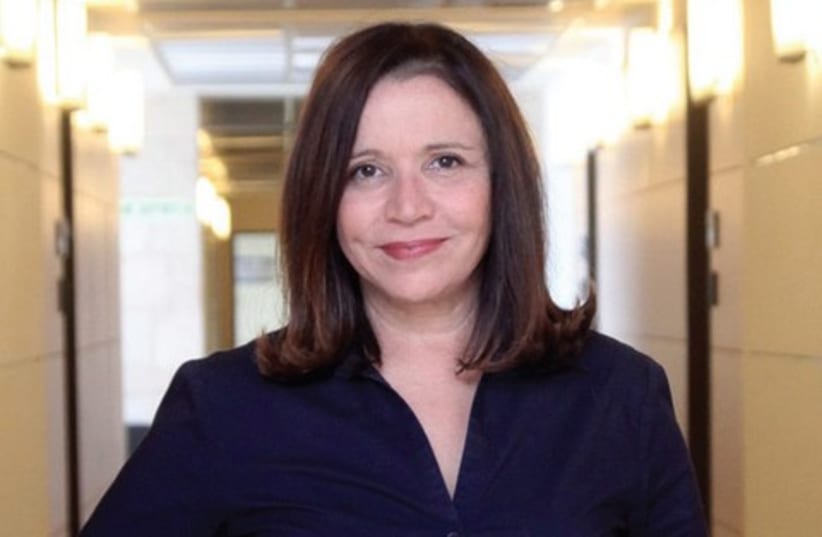
By GIL STERN STERN HOFFMANLabor leader Shelly Yachimovich 521(photo credit: MARC ISRAEL SELLEM / THE JERUSALEM POST)
Labor leader Shelly Yacimovich is expected to complete her takeover of the party’s institutions Tuesday when some 60,000 party members across the country go to the polls to elect a new central committee and councils for local branches.The grassroots of the party until now was loyal to former Labor leaders Binyamin Ben-Eliezer and Amir Peretz. A substantial percentage of party members are seniors and other veteran, lifelong members.But Labor has taken affirmative action to ensure a changing of the guard among the grassroots. Forty percent of the membership in its central committee and local council will be reserved for women, 20% for young people and just 15% for pensioners.Out of 5,747 candidates for these positions, 60% are new members who joined the party since Yacimovich won last September’s leadership race, and 1,477 are young people.Veteran Labor activists criticized Yacimovich for “cleaning house” in the party.“She is trying to erase decades of contributions of Labor members by advancing young people who were never part of the party before,” a veteran activist said. “The fight between the older generation and the new is unhealthy.”Peretz will continue to dominate Labor branches in the periphery. Those branches will not even vote Tuesday because their leadership was already decided through internal political deals.The most hotly contested races will take place in branches in Tel Aviv, Haifa and Givatayim, where the party’s old guard will face off against newcomers. In Tel Aviv, activists loyal to Yacimovich will face off in a bitter battle against allies of MK Isaac Herzog.Ballot boxes will open at 2 p.m. and close at 10 p.m. at 112 polling stations from Eilat in the South to Kiryat Shmona in the North. Results will be released Wednesday. Special polling stations were made available to students whose campuses are far from home.Labor officials said that while other parties had not even decided their direction, Labor already held an ideological convention to write its platform and formed 100 teams of volunteers.“After years in which there was a tendency to avoid elections and reach agreements on lists, Labor is holding a democratic process of elections for its institutions,” Yacimovich said. “The large number of candidates testifies to the phenomenal political awakening.After the institutions are selected, Labor will be done with its internal matters and turn its energy and its resources to preparing for the general election.”
if(catID != 151){
var cont = `Take Israel home with the new Jerusalem Post Store