Independence MK Wilf uses Skype, webinar technology to bring speakers and world Jewry to Knesset subcommittee meetings.
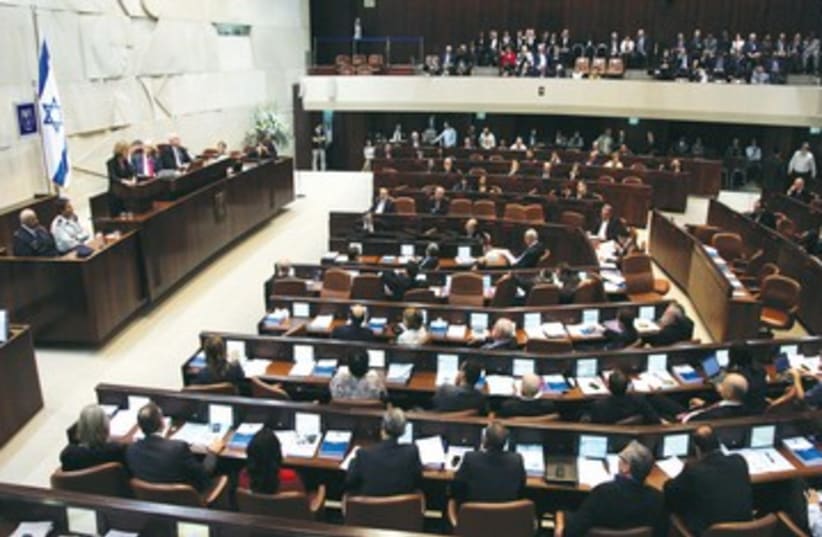
By LAHAV HARKOVKnesset building 390(photo credit: Marc Israel Sellem/The Jerusalem Post)
The chairwoman of the Knesset Subcommittee for Israeli Relations with World Jewish Communities, Einat Wilf (Independence), is embracing new technologies in an attempt to bring the Jewish world closer.Wilf believes there is a need for a new type of contract between Israel and Jewish people that recognizes globalization and uses technology to connect Jews around the world, and has called a meeting of her subcommittee on the issue.“It became clear to me that if I want to have a connection with the Jewish world, I must take advantage of the opportunities technology brings,” Wilf explained.As such, the MK is leading by example, using online tools to allow people abroad to participate in discussions at the Knesset.During the Knesset’s winter session, she hosted the first committee meeting using so-called webinar technology, in which people from New York, Paris, Munich and other cities watched the meeting on computer screens, sending in questions and comments via computer or phone.Wilf has also sought to include leaders of Jewish organizations and researchers in discussions on topics relevant to the subcommittee.For example, she “brought” Jewish demographer Steve M. Cohen to a meeting at the Knesset without flying him to Israel. Instead, Cohen testified and took questions from the subcommittee via Skype while he was in the US.While the Knesset has arranged video conferences in the past, the use of Skype requires no special equipment, utilizes the building’s existing Internet infrastructure and costs nothing.There had been some resistance from Knesset workers when Wilf suggested such video conferencing, she said.“[The staff] acted like it would cost thousands of dollars to order equipment and technicians, but my spokesman and I pointed out that there is wi-fi in the Knesset, and Skype is free,” she recounted. “The reaction surprised me because it is not so hi-tech. It was so simple.”The MK has also used technology to participate in meetings abroad, giving a virtual lecture to Prof. Arthur Brenner’s Jewish studies class at the University of Albany in New York in February.Brenner said the lecture was a great success and has encouraged other professors in the field to follow suit, explaining that they can have an MK lecture and answer questions free of charge.“Responses from abroad have been overwhelmingly positive,” Wilf said, adding that foreign journalists have covered her meetings by watching them online.Wilf has also found Skype to be a useful diplomatic tool, helping her meet members of other parliaments while the Knesset is in session and she tries not to leave the country.For example, she initially spoke to Northern Ireland MP David Mcilveen over Skype, but has since met him in person several times in Israel. She met with him in the UK last month.However, she added that MPs from abroad “still act like it’s strange to make a Skype appointment.”“In many cases it’s easier to wait until I can fly to see someone and make a live appointment than to convince him to put ‘Skype appointment’ in [his] calendar,” she said.
if(catID != 151){
var cont = `Take Israel home with the new Jerusalem Post Store