Government vows end to Israel's water crisis by 2013.
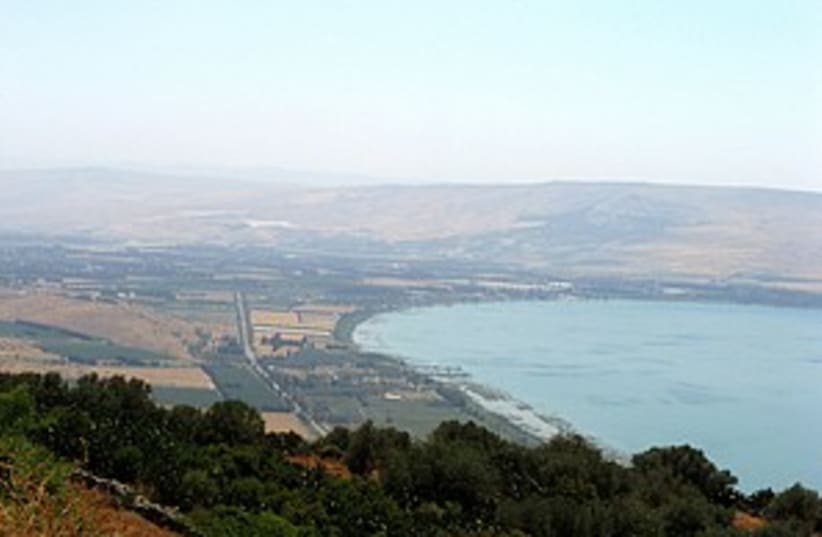
By EHUD ZION WALDOKSKinneret 298.88(photo credit: Jonathan Beck)Water prices rose by another 5 percent on Thursday, bringing the total increase to 30% since the beginning of the year. If the policy stays the same, prices will rise another 1-2% by year’s end.The first 2.5 cubic meters of water will now cost NIS 7.44 (before VAT) and each additional cubic meter will cost NIS 10.755. The base price will be charged for 2.5 cubic meters per person in a household – not for the entire household. So, for example, a family of four will pay the base price for 10 cubic meters of water per month, from which most people should be able to meet their water needs, according to the Water Authority.The price for the first 2.5 cubic meters rose 6.47%, while the price for cubic meters used above the first 2.5 rose 4.43%, Water Authority spokesman Uri Schor explained to The Jerusalem Post on Thursday.The dramatic rise in prices this year reflects a reform to include all of the cost of producing water in its price. The law states that the price of water must include all of its costs.In essence, it reflects Israel’s massive entry into the desalination era. Desalination plants impose two extra costs on the consumer. First, the state must buy desalinated water at around NIS 2 per cubic meter from the desalination plants, as opposed to water that fell from the sky into Lake Kinneret (the Sea of Galilee). Second, Mekorot, the national water company, must connect the plants to the National Water Carrier system to get the water to the consumer.Mekorot estimates that it will cost NIS 3 billion or more to fund the massive project. In addition to the pipes connecting the plants to the Carrier, the flow of water in the Carrier must be altered to reflect the large amounts of fresh water arriving from the coast instead of from Lake Kinneret.While the consumer may wince at the new water bill, the government has promised that if all of the desalination plants are built on schedule, Israel will leave its water crisis behind in three years time. Three more plants are expected to be built by 2013. Until then, however, conservation is extremely important, the Water Authority has warned.Even after the plants have been built, while the decade of crisis maycome to an end, Israel will not become a land flowing with water and soconservation will still be important.Concerns have been raised as to the extra burden the water prices now place on the poorer members of society.One way to offset those costs would be for the government to arrangeadditional assistance through the National Insurance Institute ratherthan subsidizing the price of water itself, which is, by law, nowsupposed to reflect the full cost of production. As one source pointedout to the Post on Thursday, “If a rich man and a poor man go into thecorner store to buy milk, they both pay the same price, but the poorman might get assistance from National Insurance [that the rich manwould not].”
if(catID != 151){
var cont = `Take Israel home with the new Jerusalem Post Store