'US rejects Iranian plan to defuse nuclear crisis'
'New York Times' reports Iranian officials offered initiative to gradually suspend uranium production.
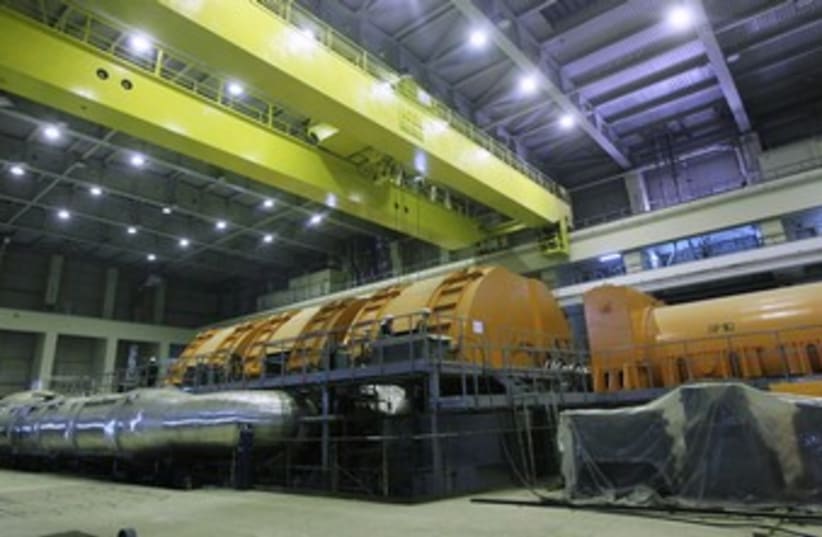
By JPOST.COM STAFFInterior of Bushehr nuclear plant 370(photo credit: REUTERS/Stringer Iran)
Iranian officials offered a “nine-step plan” to defuse the nuclear crisis with the West which was rejected by American officials, The New York Times reported Thursday.According to the report, the Iranian initiative would gradually suspend the production of uranium that would be easiest for them to convert into a nuclear weapon. The Iranian plan is based on a proposal made to European officials in July.The Times reported that the plan required so many concessions by the West, starting with the dismantling of all the sanctions, that American officials dismissed it as unworkable.The report says the plan calls for a step-by-step dismantling of the sanctions while the Iranians end work at one of two sites where they are enriching what is known as “20 percent uranium.” Once the Iranians reach the last step, and the sanctions have been lifted in their entirety, there will be a suspension of the medium-enriched uranium production at the Fordow underground site, according to the initiative.Obama administration officials say the deal is intended to generate headlines, but would not guarantee that Iran cannot produce a weapon, the Times stated.“The way they have structured it, you can move the fuel around, and it stays inside the country,” the Times quoted a a senior Obama administration official as saying. The official also warned the program could be restarted in a "nanosecond...they don't have to answer any questions from the inspectors."Click here for full Jpost coverage of the Iranian threatOn Wednesday, US Secretary of State Hillary Clinton held out the possibility that sanctions on Iran could be eased quickly if Tehran worked with major powers to address questions about its nuclear program.Speaking to reporters about protests in Iran triggered by the collapse of the Iranian currency, which has lost 40 percent of its value against the dollar in a week, Clinton blamed the Iranian government - rather than Western sanctions - for the financial troubles."They have made their own government decisions - having nothing to do with the sanctions - that have had an impact on the economic conditions inside of the country," Clinton told reporters when asked about the protests.
if(catID != 151){
var cont = `Take Israel home with the new Jerusalem Post Store