The Jerusalem Post
Jpost search icon google-icon iphone
  Set as Homepage
Thu, Jun 20, 2013   12 Tammuz, 5773
newspapers magazines
 
    • Breaking News
    • Diplomacy & Politics
    • Defense
    • National
    • Mideast
    • Syria
    • Iran
    • World
    • Business
    • Sports
    • Health & Science
    • Environment
  • Video
  • Opinion
    • Columnists
    • Editorials
    • Op-Eds
    • Letters
  • Jewish World
  • Lifestyle
    • Arts & Culture
    • Food & Wine
    • Travel
  • Features
    • Insights & Features
    • Week in review
    • On the Web
    • Shalva Superheroes
    • Obama in Israel
  • Blogs
    • In the news
    • Judaism
    • From the Middle East
    • Lifestyle
    • Aliya
    • Science and Technology
  • JPost Apps
    • iPhone app
    • iPad app
    • Android app
    • Twitter
    • Facebook
    • RSS feeds
    • JPost Toolbar
    • JPost Newsletter
    • JPost Alert
  • Premium Zone
    • The Jerusalem Report
    • Magazine
    • Metro
    • In Jerusalem
    • ePaper
    • Expert Opinion
    • Q&A
    • Dash
    • Christian Edition
    • Ivrit
  • French
    • Politique & Social
    • Affaires Palestiniennes
    • Diplomatie & Monde
    • Art & Culture
    • Israel
  • Green Israel
JPost Learn Hebrew  
Advertise with us  
Nefesh Guided Aliyah  
Eldan  
AFMDA  
YTA  
Isram Group  
JPost Twitter  
JPost Facebook  
Classifieds  


Breaking News
 
 
  • JPost.com
  • Opinion
  • Columnists
 

Reality Check: Getting back to the negotiating table

By JEFF BARAK
10/14/2012 22:45
Tweet

Once America’s next president is installed, a new government is established in Jerusalem and the Syrian crisis resolves itself one way or another, there will be a pressing need for Israel to seek a return to the negotiating table.

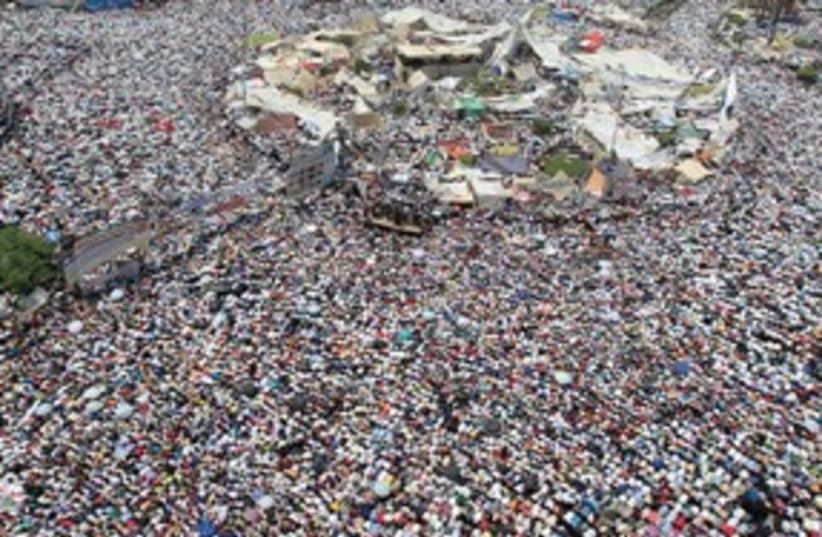
Tahrir Square
Tahrir Square Photo: Reuters
Guess who wrote this and where it was first published: “The Arab Spring showed the world that the Palestinians are happier and in [a] better situation than their Arab brothers who fought to liberate them from the Israelis. Now, it is time to stop the hatred and wars and start to create better living conditions for the future Arab generations.”

No, not some American neo-con writing in The Weekly Standard. Rather, these are the words of Abdulateef al- Mulhim, a former commodore of the Saudi Navy, in an article first published earlier this month in Arab News, a Saudi Arabian English-language newspaper.

And Mulhim had more to say: “If many of the Arab states are in such disarray, then what happened to the Arabs’ sworn enemy [Israel]? Israel now has the most advanced research facilities, top universities and advanced infrastructure. Many Arabs don’t know that the life expectancy of the Palestinians living in Israel is far longer than [Arabs in] many Arab states and they enjoy far better political and social freedom than many of their Arab brothers. Even the Palestinians living under Israeli occupation in the West Bank and Gaza Strip enjoy more political and social rights than some places in the Arab World.”

The gist of Mulhim’s article, headlined “Arab Spring and the Israeli enemy,” is that the Arab world has wasted hundreds of billions of dollars, at the cost of tens of thousands of lives, fighting Israel, when the Arab world’s real enemies are “corruption, lack of good education, lack of good healthcare, lack of freedom, lack of respect for the human lives” as well as the many Arab dictators “who used the Arab-Israeli conflict to suppress their own people.”

NOW THIS is music to many Israeli ears and, in many respects, Mulhim’s analysis is correct. Israeli Arabs do have a better life expectancy than Arabs in many other Arab states, enjoying the benefits of a Western democracy even if they do face all sorts of unwritten discrimination in everyday life. And yes, the Israeli-Arab conflict has been used by despots the Arab world over as a means of distracting their people from seeking social justice closer to home.

But just as Mulhim asks his readers “what was the real cost for not recognizing Israel in 1948 and why didn’t the Arab states spend their assets on education, healthcare and the infrastructures instead of wars?” we Israelis also need to ask ourselves some hard questions and not just bask in the flattering comparison Mulhim drew between Israel and our Arab neighbors.

In particular, we need to ask ourselves what has been the cost of our ignoring Arab peace overtures, starting from Golda Meir’s intransigence in the face of Anwar Sadat’s feelers, which led to the 1973 Yom Kippur War and, more recently, our failure to engage with the Arab peace initiative first proposed in 2002 at the Beirut Summit and re-endorsed at the Riyadh Summit in 2007.

Initially, the Arab peace initiative was simply ignored in Israel due to the horror of the Seder Night massacre at the Park Hotel in Netanya, which took place the day before the initiative was published at the height of the second intifada.

But since the end of the intifada, no Israeli leader has seriously engaged with this proposal which offers, in return for total Israeli withdrawal of territories captured in the Six Day War, the establishment of a Palestinian state and a “just settlement” of the Palestinian refugee issue, full recognition of Israel by the whole of the Arab world.

Obviously, there are serious problems with the Arab League’s “take-it-or-leave-it approach” regarding the initiative. Any peace agreement between Israel and our Arab neighbors has to be the result of negotiations and not simply one side setting conditions for the other to fulfill.

But the initiative did mark a watershed moment in terms of the Arab world’s preparedness to accept Israel’s place in the Middle East, and as such needs to be examined more seriously by Jerusalem than it has been to date.

With Israel about to enter election frenzy for the next three months, a US election campaign reaching its peak and the Arab world in disarray following the events of the Arab Spring and turmoil in Syria, it is clear that now is not the time to be looking for any new diplomatic moves to break the stalemate. But once America’s next president is installed, a new government is established in Jerusalem and the Syrian crisis resolves itself one way or another, there will be a pressing need for Israel to seek a return to the negotiating table.

If not, within a few years, there will be plenty of Israeli Abdulateef al-Mulhims writing about the tragic cost to the Jewish state of not having reached a peaceful accord with the Arab world.

The writer is a former editor-in-chief of The Jerusalem Post.
  • Send
  • Large
  • Small
  • Print
  • Share
This article is by :
Jeff Barak

Follow @jeffbarak
Recent stories:
  • Discrimination and everyday life in Isra...
  • Reality Check: Israel’s modern-day royal...
  • Reality Check: Hitting the voters in the...
  • Israel’s new politics tests the waters
Most Viewed in
1
Preconditions have no basis in law or fact
2
President Peres
3
The world’s preferred refugees
4
Ending the Chief Rabbinate electoral machinations
JPost Community
Tweet
negotiation Arab Spring Syria rebels US presidential election Arab world Abdulateef al Mulhim
Tweets about "#jpost"
Share this article
Tweet
Share
Send
Your comment must be approved by a moderator before being published on JPost.com. Disqus users can post comments automatically.

Comments must adhere to our Talkback policy. If you believe that a comment has breached the Talkback policy, please press the flag icon to bring it to the attention of our moderation team.
JPost Services
conferenceConference
newsletterNewsletter
iphoneMobile Apps
kotelcamKotel Cam
kolboJPost Alert
premiumPremium
JPost TV News  
Mobile Apps  
Bank Hapoalim  
Meir Panim  
Israel Law Center  
Inbal Hotel Jerusale  
Meier on Rothschild  
Weizmann Institute o  
JPost Premium Zone  
JPost kotel Camera  
         
 
Israel Focus
JPost TV News
Watch Now!  
Donate to Save Lives in Israel
 
Israel Law Center
The ultimate Mission to Israel, October 21 – 28, 2013 Register now!  
Nefesh B'Nefesh Guided Aliyah
Already living in Israel? Enjoy the Benefits of Aliyah!  
One year International MBA
in English, Bar-Ilan University, Israel – Open House July 9, 2013, 17:30  
Give "Freedom" this Passover
to needy Israeli families. Donate now  
YTA – A Yeshiva in Israel…
in English. Come Join Us  
War Threatens
Protect the People of Northern Israel  
Bank Hapoalim
Israeli's number one bank  
Jerusalem Post Lite
Lite Edition of the Jerusalem Post for English improvement  
Learn Hebrew with us
Get 10 minutes free personal coaching in Hebrew through phone or Skype  
JPost newspapers
Sign up for the JPost newspapers and receive one month free subscription  
Kosher English Magazine
English language weekly magazine - especially for religious people  
JReport Kindle Edition
Now you can get the Jerusalem Report directly to your Kindle  
JPost Premium Edition
The very best articles are available only in our Premium edition  
Lifestyle Magazine
 
 
Real Estate
Meier on Rothschild
Tel Aviv's Most Prestigious Address  
Don't Look For a House!
In Israel, our website will do it for you!  
 
Travel
Tourism Magazine
June 2013  
The Inbal Jerusalem Hotel
Hot summer deal, order now!  
Eldan Rent a Car
20% off all Car Rental Reservations in Israel  
Hertz Car Rental
Special Online Discounts!  
The King David Jerusalem Hotel
One of the world's truly iconic hotels, and a Jerusalem landmark  


Sites Of Interest:

Jerusalem Hotels
KKL-JNF
Poalim Online
BreitBart.com
Our Friends
Jerusalem Attractions
Jerusalem Tours
itraveljerusalem.com

JPost sites:

Learn Hebrew
The Jerusalem Report
Our Magazines
JPost Edition Francaise
Green Israel
Christian World
Jerusalem Post Lite

Services:

JPost Mobile Apps
JPost Premium
JPost Newsletter
JPost Toolbar
JPost News Ticker
JPost RSS feeds
JPost Archives
JPost Alert
JPost Kotel Cam

JPost Conferences:

NYC Conference
Diplomatic Conference

Information:

About Us
Feedback
Staff E-mails
Copyright
Sitemap
News Partners
Advertise with Us
Statistics
Ad Specs
Terms Of Service
Jpost.com, the online edition of the Jerusalem Post Newspaper - the most read and best-selling English-language newspaper in Israel. For analysis and opinion from Israel, the Jewish World and the Middle East. Jpost.com offers expert and in-depth reporting from Israel, the Jewish World and the Middle East, including diplomacy and defense, the Palestinian-Israeli conflict, the Arab Spring, the Mideast peace process, politics in Israel, life in Jerusalem, Israel's international affairs, Iran and its nuclear program, Syria and the Syrian civil war, Lebanon, the Palestinian Authority, the West Bank and Gaza Strip, Israel's world of business and finance, and Jewish life in Israel and the Diaspora.
 
About Us | Advertise with Us | Subscribe | Premium | Newsletter | RSS | Contact Us
 
All rights reserved © The Jerusalem Post 1995 - 2012