Public can now vote on what shape the NIS 833 million rehabilitation of the Dead Sea will take in the coming years.
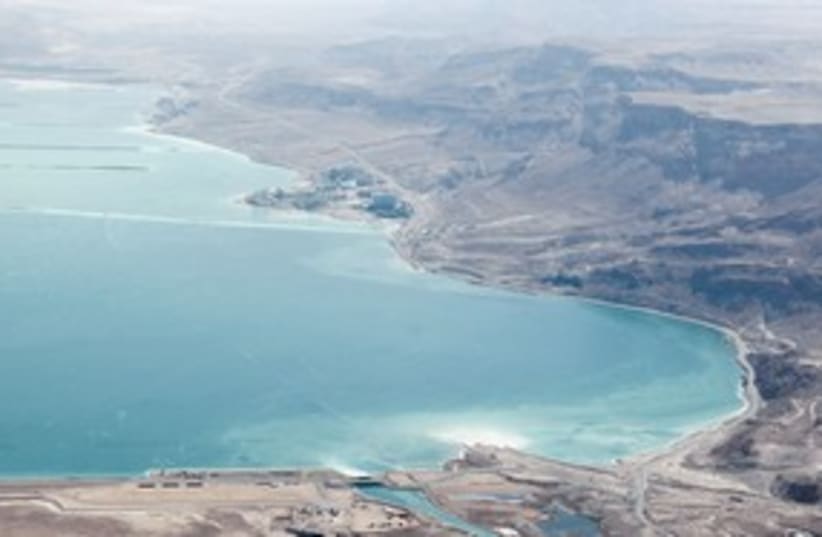
By BEN HARTMANThe Dead Sea 311(photo credit: Marc Israel Sellem)
The Tourism Ministry on Tuesday launched an online ballot where the public can vote on what shape the NIS 833 million renovation of the Dead Sea will take in the coming years.The public will be able to chose one of three options: desert scenery; “on the water getaway”; or commercial and recreational vacation.Under the desert scenery option, new hotels would be built to blend in with the natural surroundings, and would highlight the desert landscapes of the Jordan Valley.With the “on the water” option, new hotels would jut out into the Dead Sea and would emphasize water activities and spa treatments.The commercial and recreational option would emphasize the construction of retail outlets and recreational facilities.The ballot is the continuation of a plan announced last Sunday, wherein the government will invest NIS 833 million on rehabilitating the Dead Sea, including NIS 700m. for developing the tourist infrastructure of its southern half.The developments will be built in the area between Ein Bokek, toward the southern end of the Dead Sea, and Ein Zohar further north.
Related TagsTourism Ministry
if(catID != 151){
var cont = `Take Israel home with the new Jerusalem Post Store