BBC
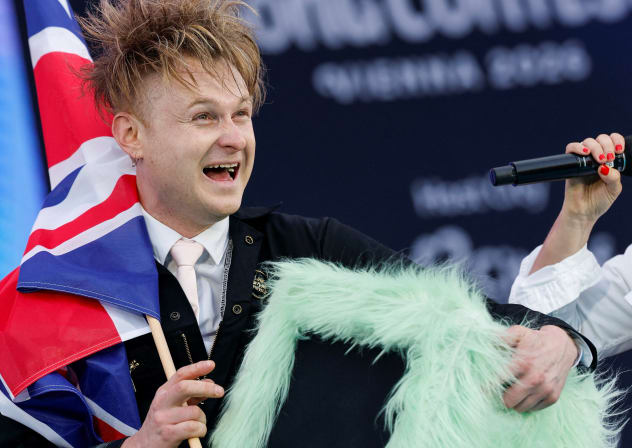
The BBC’s commitment to losing Eurovision is genuinely impressive - comment
What’s missing is the confidence to believe that an actual British song, written by actual British people, performed by an actual British artist, could win Eurovision.

Tucker Carlson says Iran war Trump's 'single biggest mistake' in BBC interview

The Iran war is not about Israel, it's about China - opinion

BBC apologizes for not censoring racial slur shouted at Bafta ceremony by guest with Tourette's
BBC removes 'Free Palestine' from BAFTA winner Akinola Davies Jr's acceptance speech
Winner Akinola Davies Jr.'s original speech ended with the words, "For Nigeria, for London, Congo, Sudan, free Palestine."

UK police arrest King Charles' brother Andrew amid Jeffrey Epstein investigation, BBC reports
Andrew Mountbatten-Windsor, the younger brother of King Charles, has denied any wrongdoing in relation to convicted pedophile Jeffrey Epstein.

Police knowingly used faulty evidence in convicting Omar Benguit - BBC
BBC’s affairs documentary program Panorama revealed that the police knew that CCTV footage contradicted the prosecution’s main witness’s testimony.

BBC claims that there was more than one Holocaust in article correction - report
Initially, the reader claimed to have received an official answer to his complaint from a BBC journalist, who responded, “Historically, there have been other examples of holocausts elsewhere."
Why the IDF should hire a PR firm, not a general - opinion
Maj.-Gen. Ghassan Alian of Coordinator of Government Activities in the Territories, when asked how many Gazans Israel killed, mentioned Hamas’s figure of 70,000 without checking or knowing.
BBC apologizes for omitting mention of Jews in multiple Holocaust Memorial Day broadcasts
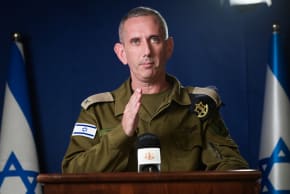
The BBC has apologized for failing to mention Jews in its Holocaust Memorial Day broadcasts, prompting backlash from Jewish groups who criticized the omission as disrespectful and harmful.

Western media’s silence on Iran reveals troubling pattern of ignoring democracy - opinion
Western news coverage often promotes Iran’s regime, ignoring citizens fighting for democracy and freedom.

The BBC haunted by bias - and the Israeli connection
Senior journalist Malcolm Balen examined hundreds of hours of BBC broadcast material, TV and radio, analyzing the content in minute detail. His 20,000-word report was later classified as top secret.

UK's former US envoy Peter Mandelson apologizes to Epstein's victims, leaving out his own actions
"I want to apologize to those women for a system that refused to hear their voices and did not give them the protection they were entitled to expect," Mandelson told the BBC.

BBC fails to mention Jews in one hour 'Repair Shop' episode about a cello broken by Nazis
The cello had belonged to her late friend, the theatre producer Martin Landau, and had been broken by Nazi guards when he fled to Britain on the Kindertransport aged 14.
