Live Updates: Degel HaTorah approves open talks with Yashar as Abbas says Ra'am, UTJ will join Eisenkot coalition
Ben-Gvir decries Golan's expected national security minister appointment following coalition deal • Eisenkot, Liberman agree Defense, Justice Mins. to go to Yisrael Beytenu in coalition deal
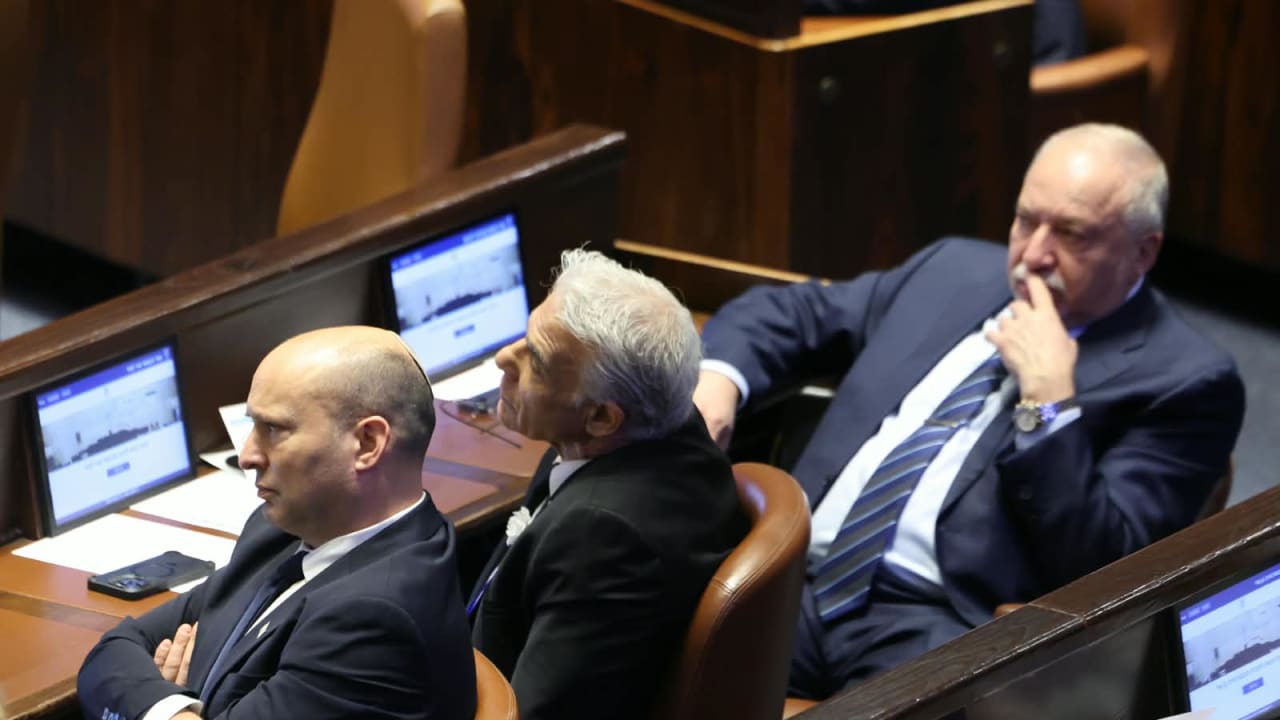
Follow us on GoogleMKs Naftali Bennett, Yair Lapid, and Avigdor Liberman seen during the inaugural session of the 26th Knesset, in Jerusalem, November 10, 2026(photo credit: MARC ISRAEL SELLEM/THE JERUSALEM POST)
Eisenkot's Yashar agrees to exempt haredi students from draft as prelude to negotiations - report
ByJERUSALEM POST STAFFUltra-Orthodox Jews are seen near a campaign poster for United Torah Judaism in Bnei Brak, central Israel, October 27, 2026(photo credit: CHAIM GOLDBERG/FLASH90)Go to the full article > >
Eisenkot-led government to include both Ra'am, United Torah Judaism in coalition, Abbas claims
Abbas added that the Arab Joint List would provide parliamentary support from outside the coalition.
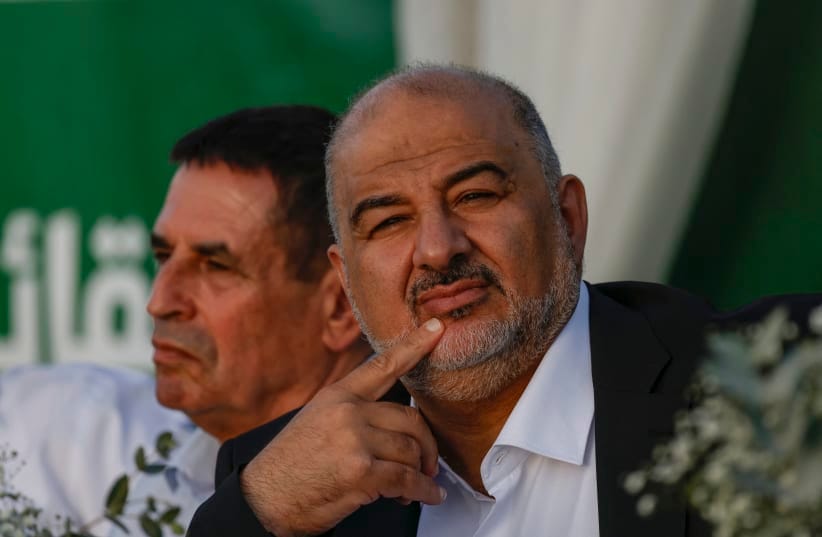
ByAVI SOLOMONLeader of the Arab Israeli party Ra’am, Mansour Abbas (R), and former Israeli law enforcement officer and MK Yoav Segalovitz. Abbas has advocated greater Arab participation in Israeli politics, as the latest election renews debate over the community’s place in government.(photo credit: Jalaa MAREY / AFP via Getty Images)Go to the full article > >
Democrats to receive internal security portfolio, Comms Ministry under coalition deal with Yashar
This new deal has brought him to 36 seats, over halfway to the 61 needed to reach a majority in Knesset.
The final voter turnout was 77.7% when polls closed at 10:00 p.m., according to the Central Elections Committee (CEC), up 7.1% from the 2022 election.
Likud remains the largest party: Netanyahu's Likud won 27 seats, followed by Eisenkot's Yashar with 21 and Naftali Bennett's B'Yachad with 12.
Netanyahu's bloc leads, but falls short of a majority: Prime Minister Benjamin Netanyahu's bloc holds 53 seats in the 120-member Knesset, while the opposition bloc led by Gadi Eisenkot won 48 seats.
Arab parties hold 19 seats: The Joint List and Ra'am secured a combined 19 seats, giving them a potentially decisive role in efforts to form the next government.
What happens next? President Isaac Herzog has awarded the mandate to Eisenkot, presenting him with the task of forming the next government. Eisenkot will initially have 28 days, with a possible 14-day extension, to form a coalition.
Could Israel face another election? If no candidate succeeds in forming a government through the prescribed process, the political deadlock could ultimately lead to another election.