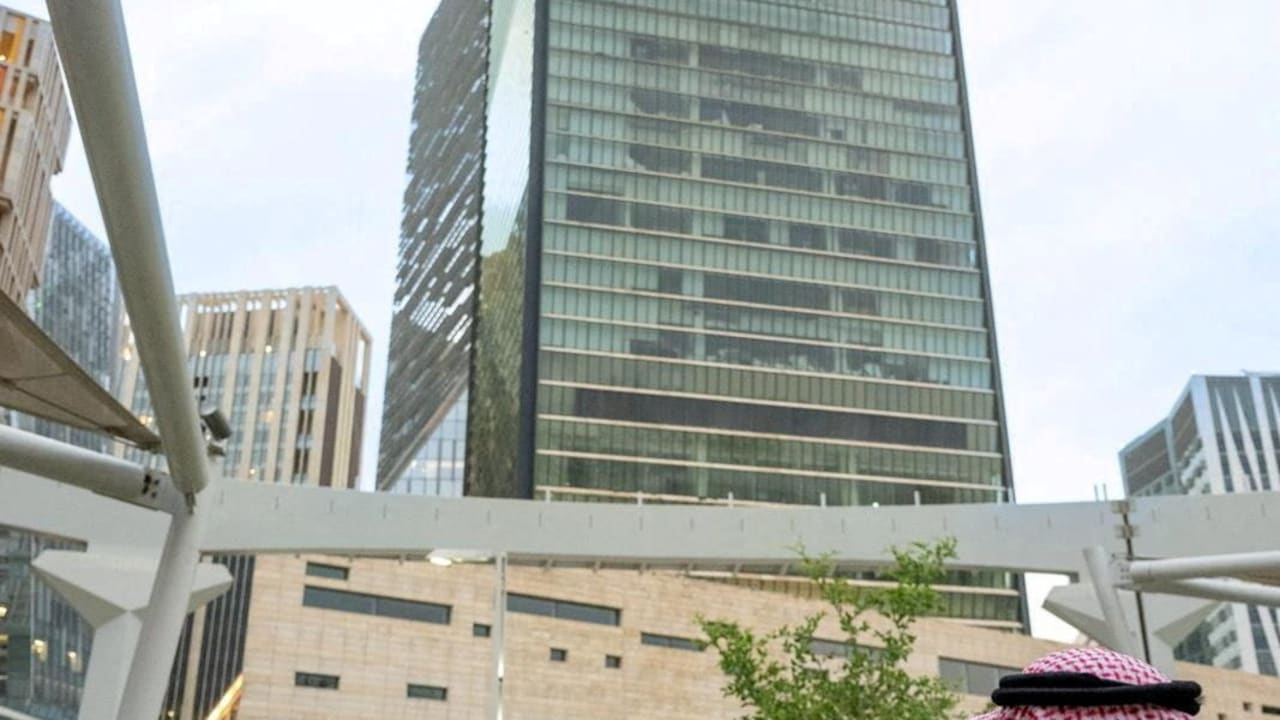
Saudi Arabia's civil defense said on Thursday that a Houthi attack on a tower in Riyadh's financial center caused material damage to several floors of the tower and nearby buildings, but no injuries were reported, state news agency SPA reported.
Earlier on Thursday, a Houthi missile attack damaged a skyscraper in Riyadh housing the offices of Saudi Arabia's sovereign wealth fund, PIF, on Thursday, three people familiar with the matter said, in the Iran-allied terror group's latest blow to the kingdom in their escalating war.
The attack on King Abdullah Financial District (KAFD), which includes Riyadh's tallest building, is the second this month, after a strike by Yemen's Iran-backed Houthi terrorists on November 8 damaged Saudi oil giant Aramco's building.
All entrances to the district were closed, and people were being evacuated, while ambulances and fire trucks were present, a Reuters witness said.
This comes after the Houthis launched a missile towards Riyadh, and a loud boom was heard in the Saudi capital after it was intercepted.
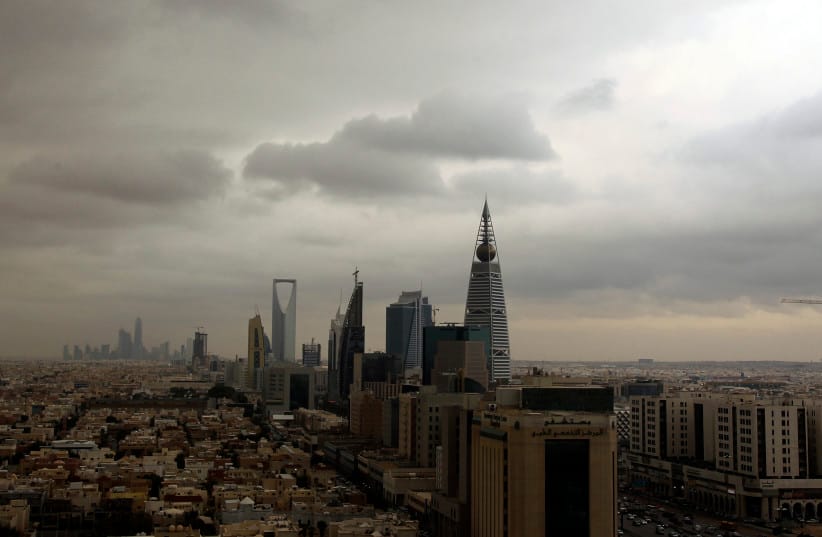
An initial assessment showed debris had fallen and material damage had been reported, the coalition said, adding that the extent of the damage was still being assessed.
Saudi Arabia's civil defense authority earlier warned residents of potential danger in the capital but did not provide details. It later said the danger had passed.
Houthi missile threat towards Riyadh causes damage, Saudi-led coalition says
The explosion was heard shortly after Saudi state news agency SPA reported that Crown Prince Mohammed bin Salman had met US Central Command chief Admiral Brad Cooper in Riyadh. The two discussed military relations and regional developments, SPA said.
Fighting between Saudi Arabia and the Houthis has intensified since the group captured strategic areas along Yemen's Red Sea coast last month, advancing towards the Bab el-Mandeb Strait, a key global shipping route for Gulf oil producers on the other side of the Arabian Peninsula from the Strait of Hormuz.