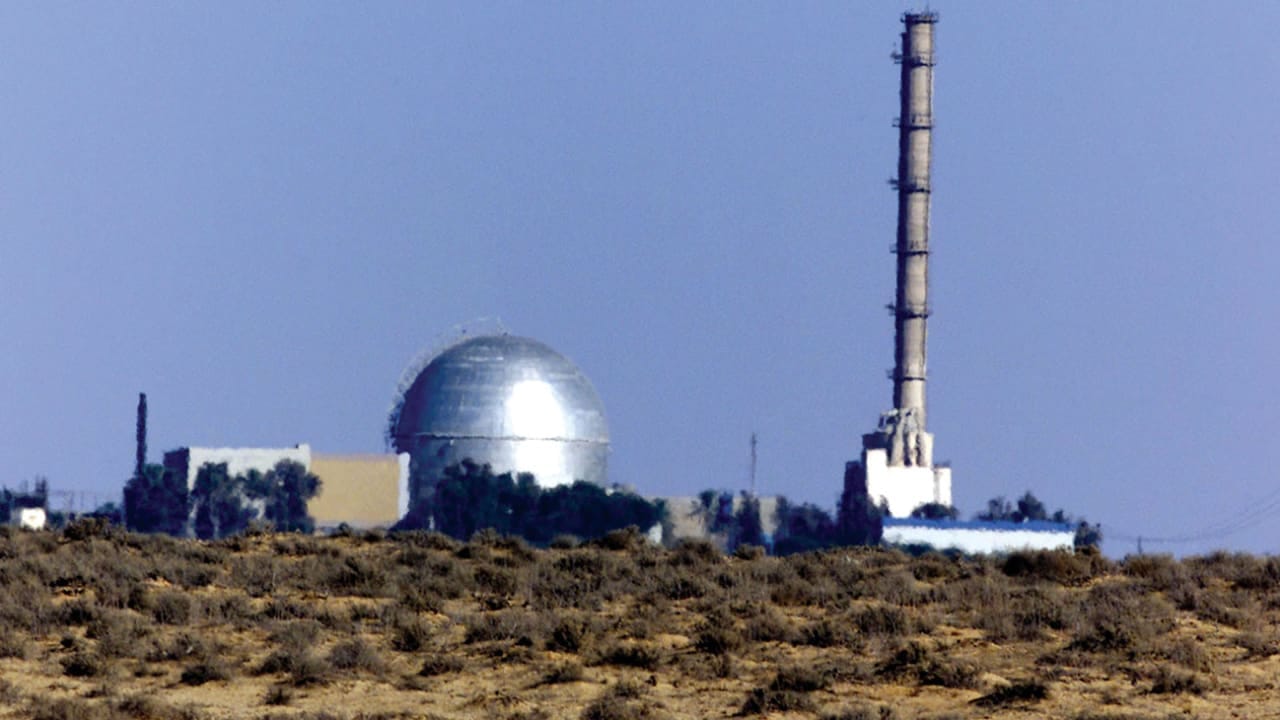
Israel possesses an estimated 90 nuclear warheads, according to an assessment by researchers from the Federation of American Scientists, the Bulletin of the Atomic Scientists reported on November 10.
The study by nuclear-weapons researchers Hans M. Kristensen and Mackenzie Knight-Boyle maintained the organization’s estimate from 2021. It also said there were indications of continued investment in Israel’s nuclear infrastructure.
Israel has never officially confirmed or denied possessing nuclear weapons, maintaining a decades-old policy known as nuclear ambiguity.
The Stockholm International Peace Research Institute classified Israel as one of the world’s nine nuclear-armed states in its 2026 annual assessment.
Questions surrounding Dimona
The researchers examined recent developments at the Negev Nuclear Research Center near Dimona, where substantial construction has been reported in recent years.
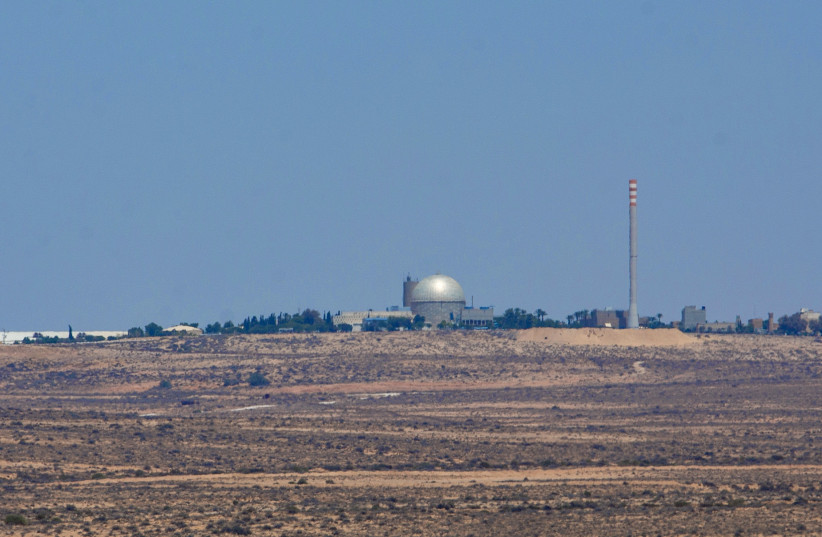
The purpose of the new construction remains unconfirmed, with researchers cautioning against drawing definitive conclusions from commercially available satellite imagery.
Israel is among the handful of countries that have never joined the Nuclear Non-Proliferation Treaty, an international agreement aimed at preventing the spread of nuclear weapons.
US lawmakers challenge nuclear ambiguity
The assessment comes amid growing scrutiny of Israel’s nuclear policy among some Democrats in Washington.
In May, a group of 30 Democratic members of Congress, led by Texas Rep. Joaquin Castro, called for greater transparency regarding Israel’s suspected nuclear-weapons program.
In a letter to US Secretary of State Marco Rubio, they said Congress required a fuller understanding of the Middle East’s nuclear balance following the US and Israeli war against Iran. They also questioned whether Washington could pursue a consistent regional nonproliferation policy while maintaining its longstanding silence regarding Israel’s capabilities.
An understanding dating back to Golda Meir
Washington’s approach dates back to a reported 1969 understanding between US president Richard Nixon and prime minister Golda Meir.
According to declassified documents examined by the National Security Archive, successive US administrations refrained from publicly challenging Israel’s nuclear policy on the condition that Israel maintained its ambiguity.
Israel’s long-standing official position is that it will not be the first country to introduce nuclear weapons in the Middle East.
The latest estimates remain independent assessments without official Israeli confirmation.