Sleep
Eating sweets in the evening: Does it affect sleep?
What studies say about sweet late-night snacks, and does the habit of a glass of wine for deep sleep actually harm the body’s rest?

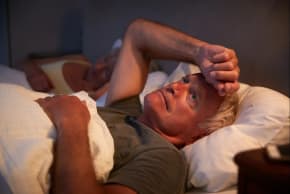
Giant study: The link between night dreaming and reduced risk for over 1,000 diseases

A small change that affects the brain: How to survive daylight saving time smoothly

Before the next holiday meal, you should know what happens to your body
This simple habit cuts the risk of heart disease by 50%
A new study found that maintaining a consistent bedtime significantly reduces the risk of heart disease.

The silent killer in bed: When snoring becomes a real life-threatening danger
Sleep experts warn that loud and persistent snoring may be a sign of sleep apnea. Among the signs: Chronic fatigue, morning headaches, difficulty concentrating and increased blood pressure.

QuietLab Pro Reviews: Don’t buy Quiet Lab Pro till you’ve read this!

These sleep habits may put your heart at risk
Researchers tracked participants’ sleep patterns for close to a decade using wearable devices.

The mistake we all make in bed: Why do you wake up with neck pain?
Many of us adhere to “sleep hygiene”, yet still wake up with bothersome neck and back pain. The experts warn: The position in which you place your body at night is critical.

The hard data: What happened to Israelis’ sleep during the war – and how it can be fixed
Data collected since the beginning of the war indicate a significant impact on sleep among Israelis, but there are practical ways to help the body relax and improve sleep quality.

Daylight saving time will be harder this year. Here is how to cope
When the nervous system is already under the strain of war, any additional disruption to routine is felt more strongly. Precisely during this period, it is doubly important to follow several rules.
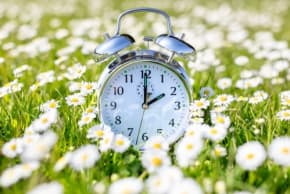
Sleepless nights in red: All the non-pharmacological solutions that will help you sleep
For three weeks, Israelis have struggled to sleep amid sirens and stress. Sleep loss harms quality of life, but before turning to pills, research-based methods can help improve sleep.

Not the blue light from the screen: This is the real reason you are not falling asleep at night
Blue light glasses and filters promise better sleep without giving up nighttime scrolling, but medical reports suggest their effect is smaller than commonly thought.

Should you drink another cup of coffee during the stressful hours between the sirens?
When anxiety and repeated awakenings to reach the protected spaces disrupt sleep. A cup of coffee at 18:00 may feel necessary, but – caffeine consumed even six hours before bedtime can impair sleep.