
Imagine an organ capable of creating one of the strongest and most significant sensations we know, pain, but incapable of feeling it itself. This may sound like a paradox, but it is precisely the reality of the human brain.
Brain tissue contains almost no pain receptors. This is also the reason that in some brain surgeries, the patient can remain awake. The scalp and the meninges are anesthetized, but the work on the brain tissue itself does not cause pain.
This fact illustrates how misleading our perception of pain can be. Many think that pain is created where we are injured, but in fact the experience of pain is created in the brain, which processes the information coming from the nervous system and gives it meaning.
According to the updated definition of the International Association for the Study of Pain (IASP), pain is a sensory and emotional experience. That is, it is not only affected by damage to the tissue, but also by our emotions, memories, expectations and the circumstances in which it occurs.
This is the reason that two people can suffer from the exact same injury and experience completely different pain. The brain does not only measure the intensity of the damage, but also evaluates its significance for the body.
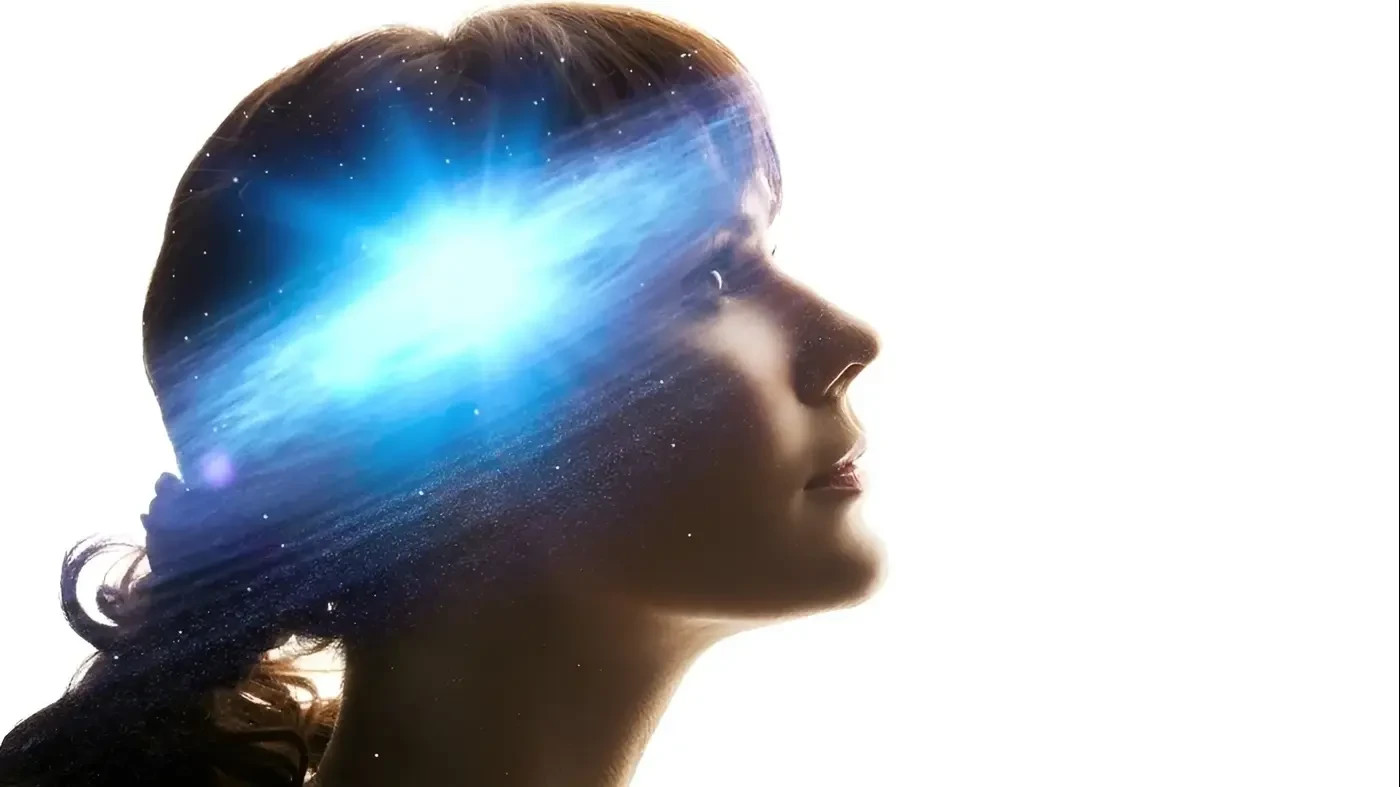
When the brain turns pain up or down
One of the most prominent examples of this is the placebo effect. When a person believes that a certain treatment will help them, the nervous system is capable of activating natural mechanisms that reduce the sensation of pain.
On the other side is the nocebo effect. Fear, anxiety or expectation of pain can cause the brain to interpret non–dangerous stimuli as a real threat, and intensify the sensation of pain.
Our attention also plays an important role. When a person constantly focuses on pain, fears it and interprets every sensation as a sign of worsening, the nervous system can become more sensitive.
This is also the reason that people who tend toward catastrophizing: that is, seeing pain as a major and uncontrollable threat: often experience more intense pain and significantly greater suffering.
How can you feel pain in a limb that is no longer there?
One of the most fascinating phenomena in pain medicine is phantom pain. People who have undergone an amputation can continue to feel pain in a hand or leg that no longer exists. They may describe pain in an ingrown nail, the pressure of a ring on an amputated finger or cramps in a limb that is no longer there.
The explanation for this is that the brain does not immediately erase the representation of the amputated limb. The neural networks that were responsible for it continue to operate, and therefore the sensation of pain can also remain.
This phenomenon clearly illustrates that the experience of pain is created in the brain, even when the source of the sensation no longer exists.
Treatment that succeeds in 'updating' the brain
One of the most interesting methods for treating phantom pain is mirror therapy.
The patient looks at the reflection of the healthy limb, so that the brain receives an illusion as if the missing limb still exists and functions.
In some patients, the new visual information succeeds in "updating" the body's representation in the brain and leading to significant pain relief.
Pain and suffering are not the same thing
One of the most important distinctions that I try to explain to patients is the difference between pain and suffering.
Pain is the experience that the nervous system and the brain create following information coming from the body.
Suffering, on the other hand, is our interpretation of pain. It includes the fears, thoughts, concerns and meaning that we attach to it.
Therefore, two people with the same injury and the same level of tissue damage can experience completely different distress.
Pain treatment has changed
If pain were only the result of tissue damage, we would suffice with medications or injections. But today we know that the nervous system, the brain, and emotional and cognitive factors are an integral part of the pain experience.
Therefore, alongside pharmacological treatments and invasive procedures, we also integrate physical therapy, behavioral and cognitive treatments, and additional methods aimed at reducing the sensitivity of the nervous system and changing the way the brain processes pain.
It is important to emphasize: Every pain is real. The fact that the brain is involved in its creation does not mean that the pain is "imagined." It only explains that sometimes the pain continues to exist even after the original threat has already passed.
You do not have to learn to live with pain
The goal of the pain system is to protect us. However, in chronic pain, this defense mechanism may continue to operate even when there is no longer a real danger.
Over the years, I have learned that there is no single treatment that fits everyone. For some patients, the solution will be medication or an invasive procedure, and for others, it will be a combination of rehabilitation, physical activity, emotional therapy and a better understanding of pain mechanisms.
In most cases, the combination of approaches is what leads to the best results.
Even when it is impossible to eliminate the pain completely, it is often possible to reduce it significantly, improve functioning, restore quality of life and, above all, restore a sense of control to the patients.
Dr. Yitzhak Drori is a specialist in family medicine and pain management medicine, director of the Pain Clinic at the Melikov Center for Neurology and Advanced Medicine