MK Busso criticizes haredi draft march, says Shas, Likud will continue collaboration after election
"These are the same people who also march against the haredi parties. Against me and against each and every one of us."
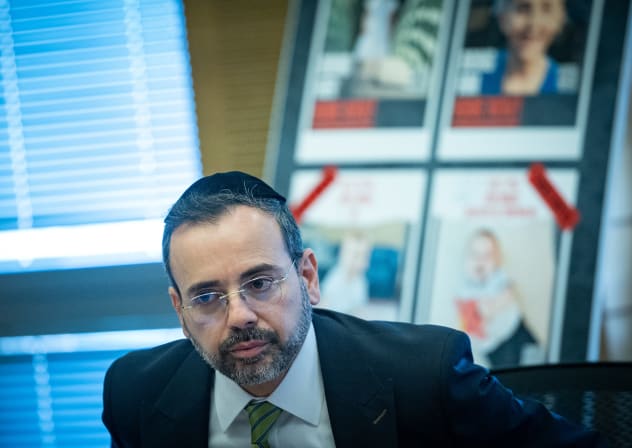
"These are the same people who also march against the haredi parties. Against me and against each and every one of us."


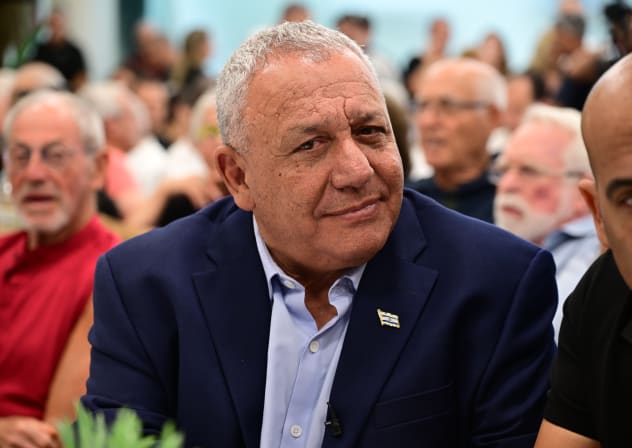
"In Netanyahu's Government of Evasion, the deserters are the heroes," Gadi Eisenkot claimed, dubbing the march "Netanyahu's walk of shame."

FOREIGN AFFAIRS: Israel's foreign minister tells the Post about his effort to move embassies to Jerusalem and his drive to protect Israel’s interests in a complex international arena.

Security officials told Maariv that final discussions have been held in recent days within the Shin Bet regarding the security plan and the scope of protection Eisenkot will receive.
The prime minister is expected to spend just six hours in the US, with no meeting planned with US President Donald Trump and protests expected to accompany his New York appearance.

Bennet said Netanyahu’s UN address would provide an opportunity to highlight what he described as Qatar’s role in supporting Hamas and its military wing.

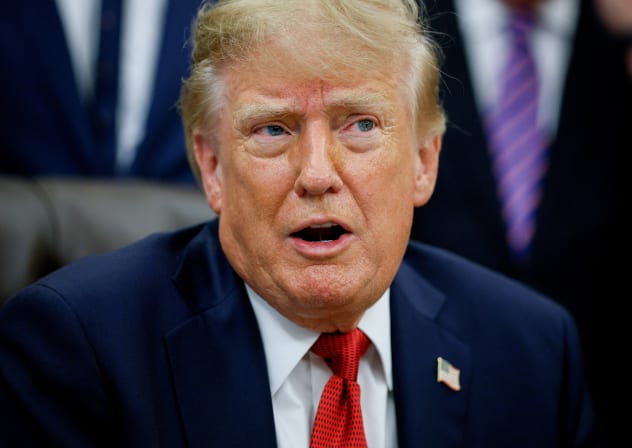
In August, Trump told FOX News that he "may endorse somebody" in the upcoming Israeli election, though he conceded it would be "most appropriate for me to stay out of it."
The CEC's decision is temporary pending a ruling from the Supreme Court.

The proposal is not the first time Liberman has advocated a Jordanian administrative role in Palestinian areas of the West Bank.

"The path to victory over terrorism requires...creating strong deterrence. The gallows are an important tool in this struggle, as part of an overall change in approach," said Ben-Gvir.

Ben-Gvir leads the far-right Otzma Yehudit party and recently added Gotliv to the second slot on his list after she left Prime Minister Benjamin Netanyahu’s ruling Likud party.
