Ayatollah Khamenei's assassination a 'mistake,' Democrats party leader Yair Golan says
"When you have an elderly and veteran leader, there is certainly an advantage in that," said Golan. "Of course, he was already 86 years old."

"When you have an elderly and veteran leader, there is certainly an advantage in that," said Golan. "Of course, he was already 86 years old."


Avigdor Liberman accused Amichai Chikli of insulting more than a million Russian-speaking Israelis after the minister mocked his accent, sparking widespread criticism.

Gadi Eisenkot and Yair Lapid accused Netanyahu of evading responsibility for October 7, citing prewar warnings and renewing calls for a State Commission of Inquiry.

On the third anniversary of the October 7 massacre, Likud cited prewar intelligence reports to argue Netanyahu was not warned of an imminent Hamas attack and accused Channel 12 of political bias.

The demand followed the attempted terrorist attack on a flydubai flight from Dubai to Tel Aviv on Wednesday, amid reports of persistent gaps in the screening of flight crews and information transfer.

The petition documents dozens of threats posted between July and late September, including calls for Golan to be shot or hanged and messages threatening members of his family.

UTJ spiritual leader Lando: '[National-Religious Jews] are being killed because their rabbis teach them twisted Torah' • Litvak rabbi says secular Israelis 'have no connection with Judaism'

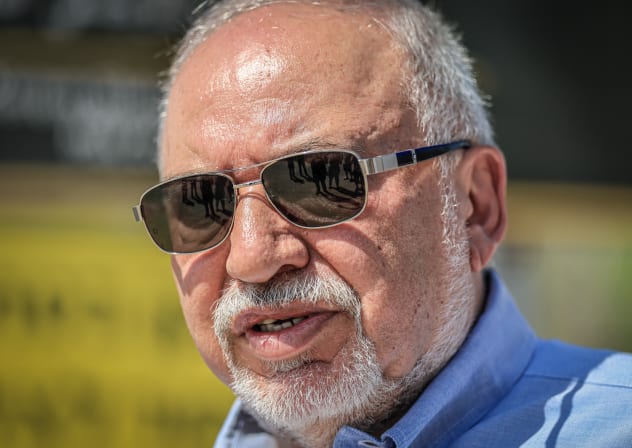
Yisrael Beytenu is part of the opposition bloc seeking to replace Prime Minister Benjamin Netanyahu and his coalition in the October election. It has recently been polling at around nine to 10 seats.
The position of state comptroller has been vacant since July, when Matanyahu Englman completed his term without a successor in line and Michael Rabello's election was invalidated.

This comes after Transportation Minister Miri Regev denied that her agency was responsible for vetting the crew for foreign airlines, despite a 2023 that stipulates as such.

The framework followed a top-secret decision adopted by the Ministerial Committee for Shin Bet Affairs on September 16, nearly two weeks before the petition was filed.
