Ukraine says Starshield back to normal, Musk says Kyiv violated terms
"Ukraine military violated Starlink terms of service and used it for offensive drone strikes to kill people. That loophole was closed last week," Musk said on X.

"Ukraine military violated Starlink terms of service and used it for offensive drone strikes to kill people. That loophole was closed last week," Musk said on X.


Multiple cultural institutions across Paris remained closed on Saturday as France deployed 70,000 police officers to maintain security, with protests engulfing the country for another weekend.

“After the conversation [then-president of Doe's sorority] shared with me that President Kotlikoff’s initial response was along the lines of, ‘Why did she wait so long to report it?" Doe wrote.

Speaking at a party conference of the Christian Social Union (CSU), Merz said the parties had the responsibility to push through economic reforms to reinforce Germany's social stability.

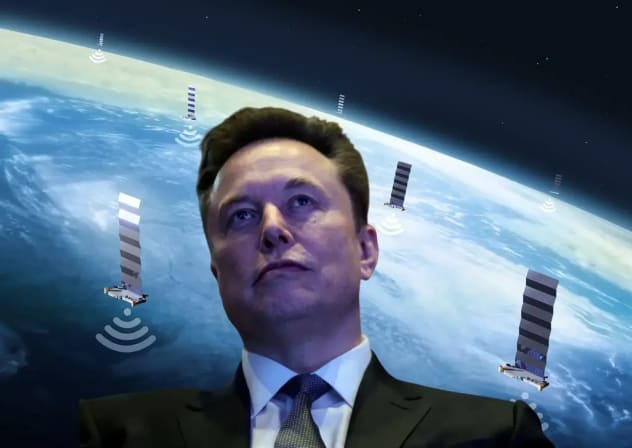
Restrictions on satellite connectivity disrupted Ukrainian operations, exposing the military risks of relying on commercial technology that governments and armed forces cannot fully control.

French security forces fanned out across Paris on Saturday ahead of protests that authorities fear could turn violent, with Interior Minister Laurent Nunez urging police to be "hyper-reactive."

Peer, a lawful permanent US resident but not a US citizen, has been charged with one count of voting by an alien after allegedly voting in the 2024 election.

Rubio urged those disappointed by Cuba's government to "seize this opportunity to create the change you desire through a discreet partnership with the CIA," without elaborating further.

The Biden-era and Trump requests to Musk show a close relationship in which US administrations rely to an unprecedented degree on a private-sector company to help implement foreign policy.
Around 200 firefighters and emergency personnel in the area around Berchtesgaden in the southern region of Bavaria were battling the flames after the building caught fire.

"We may do another little Epic Fury," Trump said in remarks at a rally in Florida as he spoke about the war. He did not elaborate.
