Machete wielding mob attack health workers responding to Ebola in Congo
The health workers, accused of spreading Ebola by contaminating water, were attacked by an angry group wielding machetes and batons.

The health workers, accused of spreading Ebola by contaminating water, were attacked by an angry group wielding machetes and batons.


Less than 24 hours before Israel’s elections, the US president was asked whether Netanyahu had requested a second endorsement and denied discussing the matter, despite contradictory reports.

There was no immediate confirmation of the education proposals from the government. A press conference to announce the details was delayed.

Brinksman is accused of sharing information from at least five top secret reports, including material that “reasonably could be expected to cause exceptionally grave damage to national security."

The aircraft landed safely, according to Fox 5 Las Vegas, with no injuries reported among its 150 passengers and six crew members.

The patient, the Ugandan-born wife of a Swiss diplomat based in Abuja, is Nigeria's first Ebola case in more than a decade.

Since 2023, several Latin American countries have strengthened ties with Israel, in some cases reversing policies adopted by their predecessors.

Ukrainian President Volodymyr Zelensky has repeatedly called on the US, which supplies missiles purchased by NATO allies under a program known as PURL, to speed up deliveries ahead of winter.

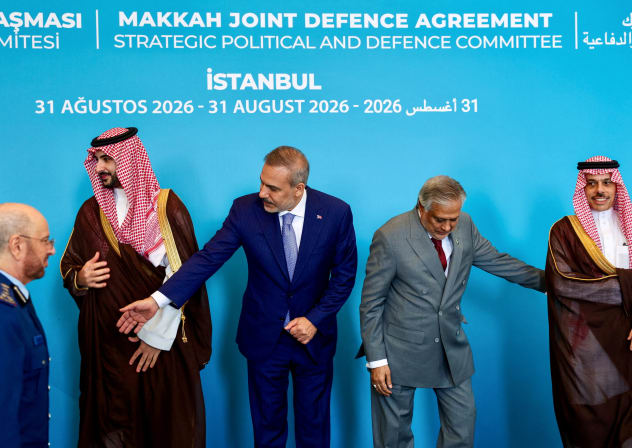
The test in Tehran is whether the countries can come away with something practical. Skeptics about the pact's members have argued that the three countries are not making the agreement have teeth.
The measures come a year after the fall of al-Fashir, the North Darfur capital that became a focal point of Sudan's war, where civilians were subjected to a prolonged siege.

In the 23 years since Ahmad, Sadam and Alhadi arrived in Chad, humanitarian aid to the country has fluctuated, unable to keep pace with an enduring – and worsening – emergency.
