Pentagon spokesperson says claims of US munitions shortage amid Iran war 'false' - report
"The US has massive amounts of 'munitions'" Trump wrote in a post on Truth Social on August 6, adding that claims of any munitions shortage were fabricated.

"The US has massive amounts of 'munitions'" Trump wrote in a post on Truth Social on August 6, adding that claims of any munitions shortage were fabricated.


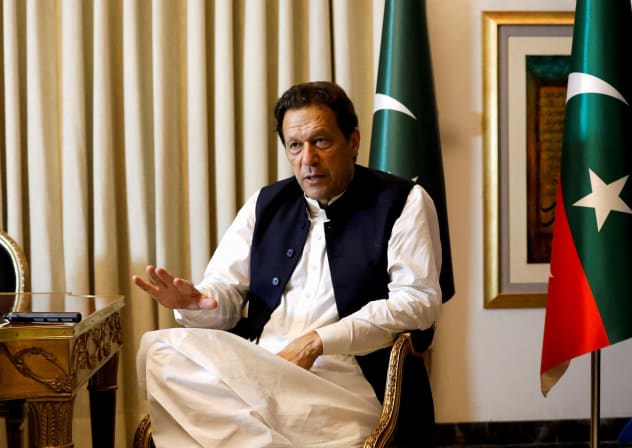
His lawyers say his health has deteriorated in prison and that he lost significant vision in his right eye. The government has said medical reports disclosed nothing requiring immediate treatment.
Last week, the DRC had requested a release of Ervebo vaccines from the global Ebola virus disease vaccine stockpile, managed by the International Coordinating Group (ICG) on Vaccine Provision.

This comes a week after US Senator Richard Blumenthal demanded a formal inquiry into the conditions aboard the Lincoln amid reports of low morale, suicide attempts, and supply shortages.

Bowie was arrested on charges of attempting to provide material support to a designated Foreign Terrorist Organization (FTO), ISIS.
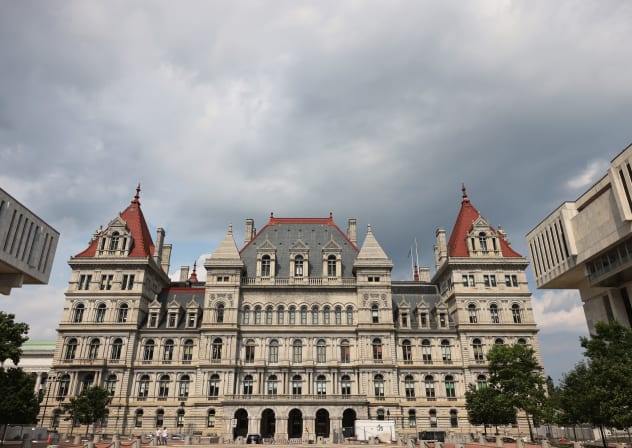
Yevgen Korniychuk thanked Israel for its support for Ukraine in its struggle for “independence and peace and prosperity,” citing polls showing that over 85% of Israelis support Ukraine in its war.

The accident occurred on Thursday morning when passengers were heading either to plant or to harvest rice, said Sarkin Daji, a traditional leader in the area.

The designation for Min Zin, who is accused of endangering Chinese national security, comes just weeks before US President Donald Trump is scheduled to welcome Chinese President Xi Jinping to the US.

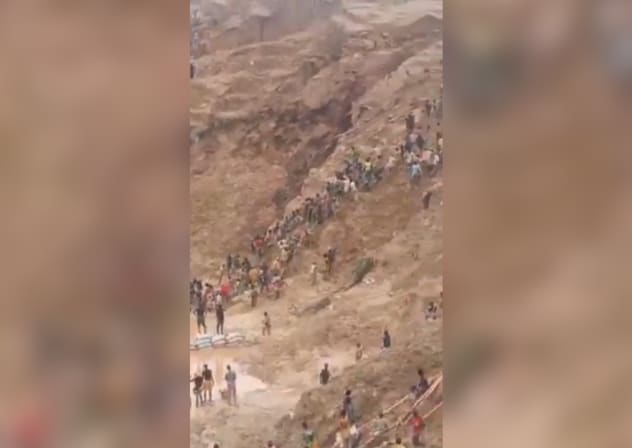
A prosecutor confirmed there had been a mine collapse in the village of Zamboye near the border with Cameroon but said the number of deaths and other details were still being established.
The West African nation announced on Tuesday that it had agreed to accept up to 1,200 third-country deportees from the US in the next 12 months.

New Ethiopian hydropower plans are drawing Somalia, Somaliland, Eritrea and Gulf states deeper into the regional balance.
