Ivanka Trump targeted in IRGC-linked assassination plot - report
The New York Post reported that an IRGC-trained Iraqi suspect pledged to kill Ivanka Trump in retaliation for the US killing of Qasem Soleimani.

The New York Post reported that an IRGC-trained Iraqi suspect pledged to kill Ivanka Trump in retaliation for the US killing of Qasem Soleimani.


Human rights groups have warned that regime authorities detained dozens of Baha’is in arbitrary arrests, many without charge, and denied them communication with their families or legal counsel.

Doha had until now distanced itself from playing a mediation role in the Iran war after it came under attack from Iranian missiles and drones during the latest conflict.

No deal in sight if US insists on discussing nuclear issue, Iranian FM spokesperson says • Rubio to tell NATO ministers Trump 'very disappointed' over Iran war stance • IDF strikes Hezbollah sites

Warnings of a potential surprise Iranian attack on Gulf States and Israel come as US President Donald Trump and Prime Minister Benjamin Netanyahu disagree on how to proceed with Tehran.

The US House of Representatives had blocked three previous war powers resolutions in close votes earlier this year, with near-unanimous support from Republicans.

US President Donald Trump has criticized NATO members for not doing more to help with the US-Israel war with Iran, even threatening to withdraw from the alliance.

While Iran has managed to withstand US and Israeli airstrikes and brought President Donald Trump back to the negotiating table by closing the Strait of Hormuz, it faces a dire situation internally.

"I can think of nothing more important than the fact that we cannot let Iran have a nuclear weapon," said Trump.

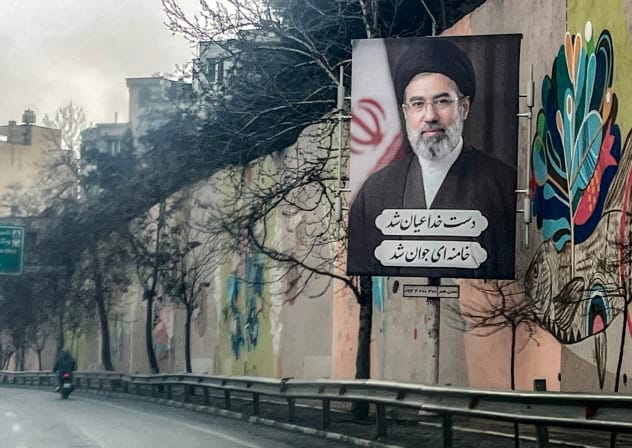
Ayatollah Mojtaba Khamenei's order could further frustrate US President Donald Trump and complicate talks on ending the US-Israeli war on Iran.
Chief Pentagon spokesman Sean Parnell told CNN that “America’s military is the most powerful in the world and has everything it needs to execute at the time and place of the President’s choosing.”
