Israel strikes Lebanon repeatedly as explosions heard in Hormuz
Trump says diplomatic solution preferred with Iran • IDF mistakenly intercepts friendly missile in Lebanon • Houthis claim to have attacked Saudi oil tankers

Trump says diplomatic solution preferred with Iran • IDF mistakenly intercepts friendly missile in Lebanon • Houthis claim to have attacked Saudi oil tankers


Pezeshkian pledged Iran's support for the Palestinian leaders' decision in a phone call with the head of Hamas' political bureau.

“The Strait’s going to be open very soon, or they’re going to get hit very hard, and then the Strait’s going to be open,” Trump said.
Katz reportedly halts IDF withdrawal from Gaza border towns • Hamas shifts covert operations to Turkey • Tehran conditions Hormuz reopening on US returning to MoU commitments, Iran's deputy FM says
Senior cleric Mohammad Bagher Kharrazi, whose sister is married to Iran’s supreme leader’s brother, claimed that the warning was intended to see Pezeshkian “back down.”
This agreement would also give Iran control over areas that were international waters before the war, officials told the New York Times on Monday.

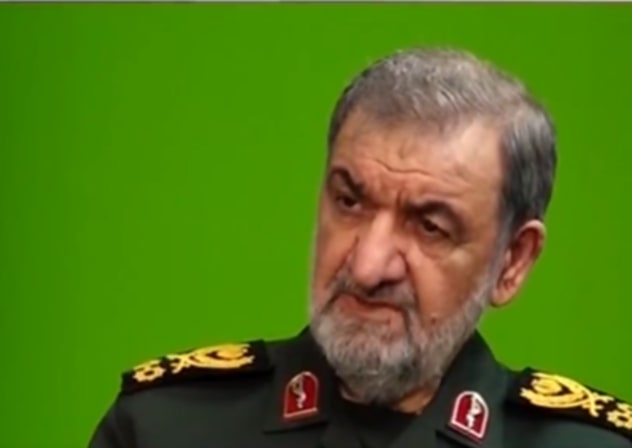
Rezaei's statement comes amid months of US airstrikes intended to reduce Iran’s ability to threaten commercial shipping through the Strait of Hormuz and compel Tehran to return to negotiations.

Moshen Rezaei said the strikes had been planned as a response to a Ukrainian attack on a ship transporting cargo between Iran and Russia in the Caspian Sea.
Avner Vilan said Tehran believes its control of the Strait of Hormuz and ability to survive heavy damage would allow it to keep pressuring the region even after US strikes.

Traffic remained largely slow at Hormuz, with six vessels, three tankers and three bulk carriers, transiting the strait on Monday, down from seven on the previous day, according to Kpler data.

Iran will not allow US to open new route through Hormuz • Qatar, Egypt, Turkey condemn Israeli military action in Gaza • 'Resistance is Hamas's holy mission': Terror spox. tells Piers Morgan
