The Jerusalem Post
Jpost search icon google-icon iphone
  Set as Homepage
Wed, May 22, 2013   13 Sivan, 5773
newspapers magazines
 
    • Breaking News
    • Diplomacy & Politics
    • Defense
    • National
    • Mideast
    • Syria
    • Iran
    • World
    • Business
    • Sports
    • Health & Science
    • Environment
  • Video
  • Opinion
    • Columnists
    • Editorials
    • Op-Eds
    • Letters
  • Jewish World
  • Lifestyle
    • Arts & Culture
    • Food & Wine
    • Travel
  • Features
    • Insights & Features
    • Week in review
    • On the Web
    • Shalva Superheroes
    • Obama in Israel
  • Blogs
    • In the news
    • Judaism
    • From the Middle East
    • Lifestyle
    • Aliya
    • Science and Technology
  • JPost Apps
    • iPhone app
    • iPad app
    • Android app
    • Twitter
    • Facebook
    • RSS feeds
    • JPost Toolbar
    • JPost Newsletter
    • JPost Alert
  • Premium Zone
    • The Jerusalem Report
    • The Experts
    • 20 Questions
    • e-paper
    • Ivrit
    • Christian Edition
    • Dash
    • Magazine
    • Metro
    • In Jerusalem
  • French
    • Politique & Social
    • Affaires Palestiniennes
    • Diplomatie & Monde
    • Art & Culture
    • Israel
  • Green Israel
JPost Learn Hebrew  
Advertise with us  
Nefesh Guided Aliyah  
Eldan  
AFMDA  
Africa Israel Group  
Isram Group  
Kupat Ha  
JPost Twitter  
JPost Facebook  
Classifieds  


Breaking News
 
 
  • JPost.com
  • Opinion
  • Editorials
 

Obama’s opportunity

By JPOST EDITORIAL
LAST UPDATED: 11/02/2010 23:25
Tweet

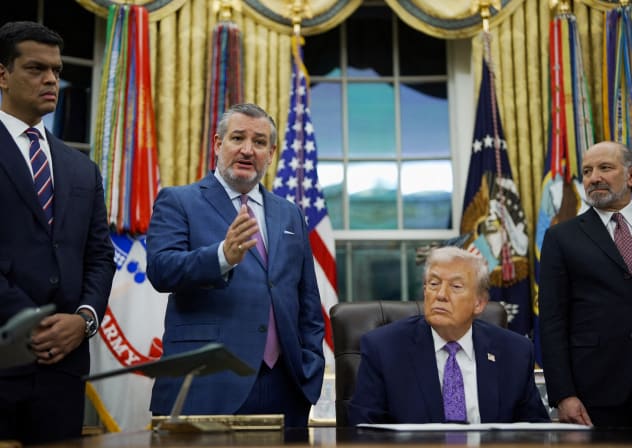
If Obama succeeds in preventing Iran’s nuclearization, this would drastically undermine this region’s extremists. It could also help ensure his reelection.

President Obama campaigning
President Obama campaigning Photo: ASSOCIATED PRESS
In the best-selling book Start-Up Nation, former Jerusalem Post editorial page editor Saul Singer and Dan Senor suggest that one of the main reasons for the success of our local hi-tech industry is the ability of Israelis in this field to learn from their failures. The Democratic Party’s anticipated loss of control over Congress in Tuesday’s mid-term elections presents an opportunity for President Barack Obama to follow the lead of those Israelis.

The Republican gains may be internalized by the US president as an overwhelming sign that voters were unhappy with his economic policies, but foreign policy dissatisfaction, including where this region is concerned, may have played a role, too. Polls have consistently shown that Americans want their president to be pro- Israel and that many Americans and Israelis do not believe the policies of the Obama administration thus far have fit that description.

A McLaughlin and Associates poll sponsored last month by the Israel Emergency Coalition found that 50.9 percent of Americans were more likely to vote for a candidate identified as pro-Israel, and just 25.2% were less likely.

Asked whether Obama has been less friendly to Israel than previous presidents, 51.6% said yes and 35.4% said no.

When Obama’s policies were characterized as publicly criticizing and pressuring Israel and not the Palestinians, 27% said they agreed with this approach, and 54.4% said they did not.

Obama himself and his former chief of staff Rahm Emanuel have admitted that mistakes were made in the administration’s handling of the Israeli-Palestinian issue.


That admission was followed up with what appeared to be a sincere effort to reach out to Israelis with the positive reception Prime Minister Binyamin Netanyahu received at the White House in July and a warm interview Obama gave to Channel 2, in which he called preventing Iran’s nuclearization his “No. 1 foreign policy priority.”

But the outreach to Israelis appeared to take a step backward last month when Obama returned to publicly pressuring Netanyahu for concessions in his speech to the United Nations General Assembly. “Israel’s settlement moratorium has made a difference on the ground, and improved the atmosphere for talks,” he said. “We believe that the moratorium should be extended.”

Obama’s very public call for the extension of the moratorium made it all but impossible for the Palestinians to return to the negotiating table without Netanyahu breaking a promise he had made repeatedly to the people of Israel – to limit the moratorium on settlement housing starts to 10 months. Were it not for that public US pressure for a settlement halt, indeed, the negotiations might have resumed much earlier than they did, and might not have so rapidly lapsed again.

NOW OBAMA has at least two and possibly six years to adjust his course, the better to serve the emphatically shared Israeli-American interest in finding a viable, stable accommodation with the Palestinians.

A vital first step is that Obama make crystal-clear to Palestinian leaders that there would be significant negative consequences if they declared a state unilaterally. This is key for the advancement of the peace process, because if the Palestinian Authority is given to believe that the international community will endorse a state that has not come to terms with Israel, this will leave no incentive for the PA to accept the terms of compromise that are critical to a viable accord.

Defense Minister Ehud Barak remarked in a recent interview that, historically, Israeli governments had made concessions when they had one of three things: a trusted Arab partner, a revered American mediator or a desire to relinquish territory unilaterally. He said the first was true when Israel returned the Sinai Peninsula to Egyptian president Anwar Sadat, the second was true when he and Netanyahu made concessions to Bill Clinton, and the third occurred when Ariel Sharon withdrew from the Gaza Strip. Barak said that currently, Netanyahu lacked all three. Obama can help begin to change this by making his first visit to Israel as president at a strategically smart time.

ANOTHER CONSTRUCTIVE suggestion for Obama is to accompany the international sanctions on Iran with a credible military threat. The only time the Iranians froze their nuclear program was when American coalition forces invaded Iraq and Iran felt threatened.

Vice Premier Moshe Ya’alon has said that Obama can blame problems with Afghanistan and Iraq on his predecessor, George W. Bush, but if Iran gets the bomb on his watch, that failure would be what people remember most about his presidency. If, however, Obama succeeds in preventing Iran’s nuclearization, this would drastically undermine this region’s extremists, liberate the moderates and strongly enhance the prospects of peace. It could also help ensure his reelection.
  • Send
  • Large
  • Small
  • Print
  • Share
Most Viewed in
1
Jordan’s king trying to play on Israel’s fears
2
No holds barred: Was the Holocaust punishment for sin?
3
Storming the Bastille of Israel’s religious bureaucracy
4
Nigeria: Why Islamism succeeds, in miniature
JPost Community
Tweet
Obama Midterms 2010 Barack Obama US president midterms midterm elections US midterms
Share this article
Tweet
Share
Send
Your comment must be approved by a moderator before being published on JPost.com. Disqus users can post comments automatically.

Comments must adhere to our Talkback policy. If you believe that a comment has breached the Talkback policy, please press the flag icon to bring it to the attention of our moderation team.
JPost Services
conferenceConference
newsletterNewsletter
iphoneMobile Apps
kotelcamKotel Cam
kolboJPost Alert
premiumPremium
JPost TV News  
Mobile Apps  
Bank Hapoalim  
Meir Panim  
Yad Ezra  
Rambam Hospital  
TourLuxe  
Zev Goldstein PLLC  
Penrose Gallery  
JPost Premium Zone  
JPost kotel Camera  
         
 
Israel Focus
JPost TV News
Coming soon to a screen near you!  
Nefesh B'Nefesh Guided Aliyah
Already living in Israel? Enjoy the Benefits of Aliyah!  
Give "Freedom" this Passover
to needy Israeli families. Donate now  
War Threatens
Protect the People of Northern Israel  
China Suppliers
 
Intelligence Squared
The international debate forum, announces it is coming to Israel  
Bank Hapoalim
Israeli's number one bank  
Jerusalem Post Lite
Lite Edition of the Jerusalem Post for English improvement  
Learn Hebrew with us
Get 10 minutes free personal coaching in Hebrew through phone or Skype  
JPost newspapers
Sign up for the JPost newspapers and receive one month free subscription  
Kosher English Magazine
English language weekly magazine - especially for religious people  
JReport Kindle Edition
Now you can get the Jerusalem Report directly to your Kindle  
JPost Premium Edition
The very best articles are available only in our Premium edition  
Lifestyle Magazine
 
 
Real Estate
Don't Look For a House!
In Israel, our website will do it for you!  
 
Travel
Eldan Rent a Car
20% off all Car Rental Reservations in Israel  
Hertz Car Rental
Special Online Discounts!  
The King David Jerusalem Hotel
One of the world's truly iconic hotels, and a Jerusalem landmark  


Sites Of Interest:

Jerusalem Hotels
KKL-JNF
Poalim Online
BreitBart.com
Our Friends
Jerusalem Attractions
Jerusalem Tours
itraveljerusalem.com

JPost sites:

Learn Hebrew
The Jerusalem Report
Our Magazines
JPost Edition Francaise
Green Israel
Christian World
Jerusalem Post Lite

Services:

JPost Mobile Apps
JPost Premium
JPost Newsletter
JPost Toolbar
JPost News Ticker
JPost RSS feeds
JPost Archives
JPost Alert
JPost Kotel Cam

JPost Conferences:

NYC Conference
Diplomatic Conference

Information:

About Us
Feedback
Staff E-mails
Copyright
Sitemap
News Partners
Advertise with Us
Price List
Statistics
Ad Specs
Terms Of Service
Jpost.com, the online edition of the Jerusalem Post Newspaper - the most read and best-selling English-language newspaper in Israel. For analysis and opinion from Israel, the Jewish World and the Middle East. Jpost.com offers expert and in-depth reporting from Israel, the Jewish World and the Middle East, including diplomacy and defense, the Palestinian-Israeli conflict, the Arab Spring, the Mideast peace process, politics in Israel, life in Jerusalem, Israel's international affairs, Iran and its nuclear program, Syria and the Syrian civil war, Lebanon, the Palestinian Authority, the West Bank and Gaza Strip, Israel's world of business and finance, and Jewish life in Israel and the Diaspora.
 
About Us | Advertise with Us | Subscribe | Premium | Newsletter | RSS | Contact Us
 
All rights reserved © The Jerusalem Post 1995 - 2012