When soccer defeat becomes conspiracy in the World Cup - opinion
The old claim has always found new hosts: banks, media, governments, wars. Now Jews, or “Zionists,” control the game. The institution changes. The accusation survives.

The old claim has always found new hosts: banks, media, governments, wars. Now Jews, or “Zionists,” control the game. The institution changes. The accusation survives.


The selection of targets by the US signals a transition from a conventional military campaign to a broader strategic effort aimed at disrupting Iran’s ability to function.

When Rogan raised accusations that Vance himself had tolerated antisemitism, the vice president’s answer wasn’t engagement. It was dismissal.

Iran has demonstrated that countries do not need to be at war with it to become targets. As such, Israel and the Gulf States should work together to protect themselves.

Long before the extermination camps reached their full horror, the Nazis had already begun erasing Jews from the world of sport.

From Ro Khanna to Tucker Carlson, critics across the political spectrum are finding political value in attacking Israel.

These libels, often promoted or legitimized by influential churchmen, fueled massacres, dispossession, and ultimately the expulsion of every Jew from England in 1290.

If his principle is that New York City should enforce international criminal law against visiting heads of state, he owes the public the rest of his list. Right now, it has one name on it.

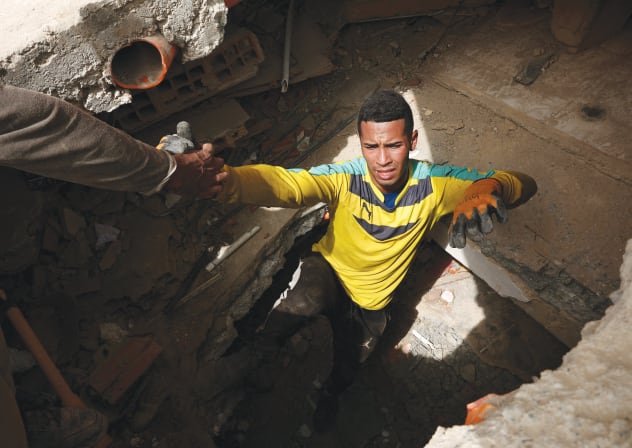
How Israel’s delegation in Venezuela shined a positive light at a tough time for Israel’s image.
Twenty-one years after the Gush Katif withdrawal, Israel must replace retreat with rebuilding and ensure Gaza can never again become a terror base.

No two countries illustrate this more clearly than Turkey and Qatar, close allies that have long been associated with political support for the Muslim Brotherhood and hostility toward Israel.
