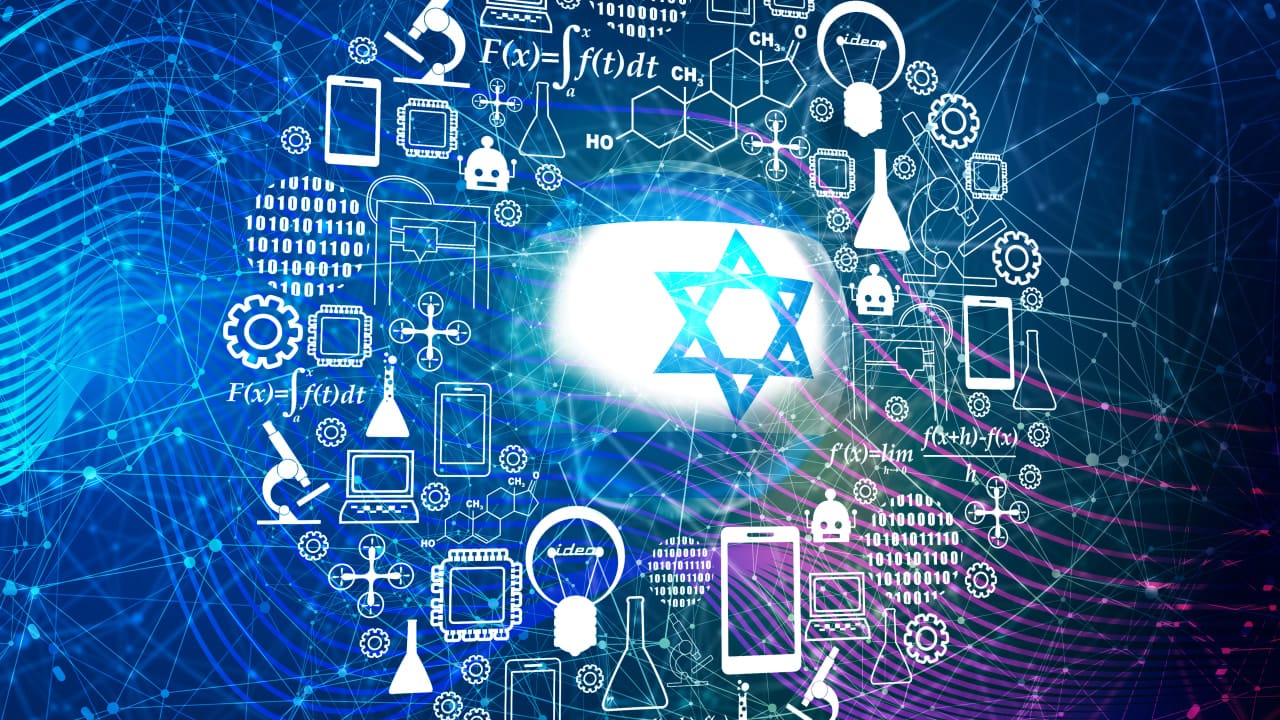
Israel has transformed itself into a global powerhouse of technological innovation, earning the well-deserved nickname "Start-up Nation." With over 6,000 active start-ups and a thriving ecosystem that spans cybersecurity, artificial intelligence, and medical devices, this small country punches far above its weight on the world stage. The secret sauce combines elite military intelligence units, world-class universities, and a culture that celebrates risk-taking and failure. Investors from Silicon Valley to Tokyo recognize the unique value that Israeli founders bring to the table. Even in entertainment and digital platforms, Israeli developers push boundaries, much like the innovation and user experience found at best canadian online casino RocketPlay. The synergy between technological advancement and entrepreneurial spirit creates an environment where groundbreaking ideas become billion-dollar companies.
Key facts: Start-up Nation by the numbers
Israel's innovation economy continues to shatter records and defy expectations. Here are the most striking statistics that define this dynamic landscape:
- Israeli start-ups raised a record-breaking $25.6 billion in 2021, though 2026 projections show a stabilization at around $15 billion annually as the market matures.
- The number of active tech companies in Israel reached 6,653 by mid-2025, with approximately 1,500 new start-ups founded each year.
- Cybersecurity firms account for 30% of global private investment in the sector, with Israeli companies like Wiz and SentinelOne achieving unicorn status.
- The Wix headquarters in Tel Aviv employs over 3,000 people, making it one of the largest tech employers in the country.
- Israel boasts the highest density of start-ups per capita in the world, with one start-up for every 1,400 citizens.
- The government's Innovation Authority allocated $600 million in 2026 to support early-stage ventures and encourage corporate partnerships.
- Exits and IPOs generated $72 billion in value between 2020 and 2025, with companies like Monday.com and JFrog leading the charge.
What drives Israel's unmatched start-up velocity?
The military plays an unexpected but crucial role in shaping Israel's tech landscape. Elite units like Unit 8200 and Talpiot train young soldiers in cutting-edge cyber intelligence and software development. These conscripts graduate with technical skills and a network of contacts that often becomes the foundation for future ventures. Many of Israel's most successful start-ups trace their origins directly to military service, where solving complex problems under extreme pressure becomes second nature. The transfer of knowledge from defense to civilian applications creates a pipeline of innovation that no other country can replicate.
Universities contribute equally to this ecosystem. The Technion in Haifa and the Weizmann Institute in Rehovot produce graduates who rank among the world's most sought-after engineers and scientists. Research partnerships between academia and industry ensure that theoretical breakthroughs quickly translate into commercial products. The government's Office of the Chief Scientist provides matching grants for R&D projects, reducing the financial risk for early-stage founders. This combination of military training, academic excellence, and government support creates an environment where entrepreneurship thrives.
The culture itself encourages bold moves. Israeli society embraces questioning authority and challenging conventional wisdom. Start-up founders often describe the "chutzpah" factor as essential to their success. This willingness to take calculated risks reflects the determination and ambition that drive entrepreneurs to push boundaries and pursue major breakthroughs. Unlike more conservative business cultures, Israelis view failure as a learning opportunity rather than a stigma, which keeps the pipeline of new ventures flowing continuously.
The global impact of Israeli innovation
Israeli technology touches nearly every aspect of modern life, often in ways that go unnoticed. The Waze navigation app guides millions of drivers worldwide, while Mobileye's advanced driver-assistance systems make roads safer across continents. In healthcare, Given Imaging's pill cameras allow doctors to examine the digestive tract without invasive procedures. Every year, multinational corporations establish R&D centers in Israel to tap into this wellspring of creativity. Google, Apple, Microsoft, and Intel all maintain significant operations in Tel Aviv and Haifa, employing thousands of local engineers.
The cybersecurity sector deserves special attention. With cyber threats growing exponentially, Israeli firms lead the charge in protecting digital infrastructure. Companies like Check Point Software Technologies and CyberArk defend banks, governments, and enterprises from sophisticated attacks. The 2026 forecast predicts that Israeli cybersecurity exports will exceed $20 billion, cementing the country's position as the undisputed leader in this critical field. International partnerships and joint ventures multiply the impact of these innovations, creating a global network of technological cooperation.
The start-up ecosystem also benefits from a robust support infrastructure. Venture capital firms, accelerators, and incubators provide funding and mentorship at every stage of growth. OurCrowd, an equity crowdfunding platform, democratizes access to start-up investments, allowing individuals worldwide to participate in Israel's success story. The Tel Aviv Stock Exchange introduced new listing requirements in 2025 to attract high-tech companies, offering another exit path for founders. This comprehensive support system ensures that promising ideas receive the resources they need to scale globally.
Challenges and opportunities in a changing landscape
Despite its successes, Israel's innovation economy faces real challenges. The high cost of living in Tel Aviv pushes some start-ups to establish offices in smaller cities like Beersheba and Haifa, spreading economic benefits across the country. The shortage of skilled workers, particularly in AI and machine learning, creates intense competition for talent. Global economic uncertainty and changing investor sentiment require start-ups to demonstrate profitability sooner rather than later. These pressures force the ecosystem to evolve, emphasizing sustainable growth over rapid expansion.
However, new opportunities emerge from these very challenges. The government's 2026 initiative to integrate ultra-Orthodox and Arab citizens into the tech workforce expands the talent pool dramatically. Climate tech start-ups attract growing investment, addressing environmental concerns while creating economic value. The healthcare sector pivots toward digital health solutions, with telemedicine and remote monitoring platforms gaining traction. Israeli companies increasingly look to Asian markets, diversifying their customer base beyond the traditional focus on North America and Europe.
The rise of artificial intelligence reshapes the start-up landscape in profound ways. Israeli AI companies specialize in everything from natural language processing to computer vision, applying their expertise to industries as varied as agriculture, finance, and transportation. The integration of AI into existing products creates new revenue streams and competitive advantages. Investors recognize this trend, directing record amounts of capital toward AI-focused start-ups. The future belongs to companies that harness AI's transformative potential, and Israeli founders stand ready to lead this charge.
Conclusion: A resilient ecosystem built for the future
Israel's innovation economy demonstrates remarkable resilience and adaptability in the face of global challenges. The combination of military-grade discipline, academic excellence, and cultural fearlessness produces a start-up ecosystem that consistently outperforms expectations. As the world becomes increasingly digital and interconnected, Israel's technological contributions will only grow in importance. The same spirit that drives entrepreneurs to build world-changing companies also attracts global attention and investment. Whether you're an investor seeking opportunities or simply an observer of technological progress, keeping an eye on Israel's start-up scene offers endless fascination and potential. The next breakthrough could come from anywhere, but Israel's strong technological ecosystem makes it a leading source of future innovation.
This article was written in collaboration with James Evans