A reservist comes home after months of service to a business that still has customers but has run out of cash. He needs a loan to make payroll. In Israel, five banking groups hold about 97% of the assets in the banking system, so he has very few places to ask. If the answer is no, or a yes on terms that make the problem worse, there is often nowhere else to turn. After three years of war, many Israelis are in his position.
Rebuilding the economy starts with fair credit.
In August, Ogen applied to the Bank of Israel to establish Israel’s first nonprofit bank. A law passed this year made it possible for a bank to be structured as a nonprofit for the first time. If approved, the bank will pay no dividends and have no shareholders. Every customer will be charged the same rate for the same loan or receive the same rate for a deposit, whoever they are. Any surplus will go back to customers through better terms, financial guidance, credit for people facing hardship, and ultimately reach more people.
Ogen has been built for this since 1990. We have made more than 86,000 loans to families, small businesses, and nonprofits. Fewer than one in a hundred families default on their loans. That record comes from two habits we will bring to the bank: we lend what people can genuinely repay, and we stay with them afterwards. During this past year, over 4500 families, businesses, and nonprofits received financial guidance or mentoring from Ogen, a 400% increase from 2020. For a business owner, that can mean assessing cash flow together and stepping in early, before a difficult month becomes a crisis. Sometimes the best advice is to borrow less, or to wait. A lender with no shareholders to satisfy can afford to give that advice.
The bank also changes what philanthropy can do, and this is what I explain most often to donors.
Most people still treat philanthropy and investment as separate decisions, but at Ogen they work together. About half the capital behind our blended finance lending model comes from philanthropy. It sits beneath our loans and absorbs losses, which is what gives banks, impact investors, and bondholders the confidence to provide the rest. Because loans are repaid, that capital is then lent again and again. Donated capital is lent rather than spent, so it keeps growing.
A bank extends that model in two ways. Deposits let ordinary savers take part, so people can put their savings to work in social lending. Donors who contribute to the bank’s capital are building a permanent financial infrastructure just as earlier generations of philanthropists helped build Israel’s universities and hospitals.
Australians will recognize the idea. Customer-owned banks have been part of Australia’s financial system for generations. In Europe, cooperative banks provide almost a quarter of all lending, and in the United States, 146 million people bank with credit unions and community lenders. Israel would be joining a long-established tradition.
We are innovating Israel's financial system to meet the day-to-day needs of over 70% of our population. This will not be an easy task, but it is one long overdue. A mission that is critical to the viability of our homeland, one which will bridge disparities of income and opportunity.
Over the coming weeks I will be meeting supporters and partners around the world, and I will be asking each of them the same question: what could Israel build if more of our giving kept on working? I believe part of the answer is a nonprofit bank, so that the next reservist who comes home to an empty account has somewhere to turn. Our mission at Ogen has always been to believe in Israelis and allow them to build a resilient economic reality for themselves. A bank will let us do that for many more of them.
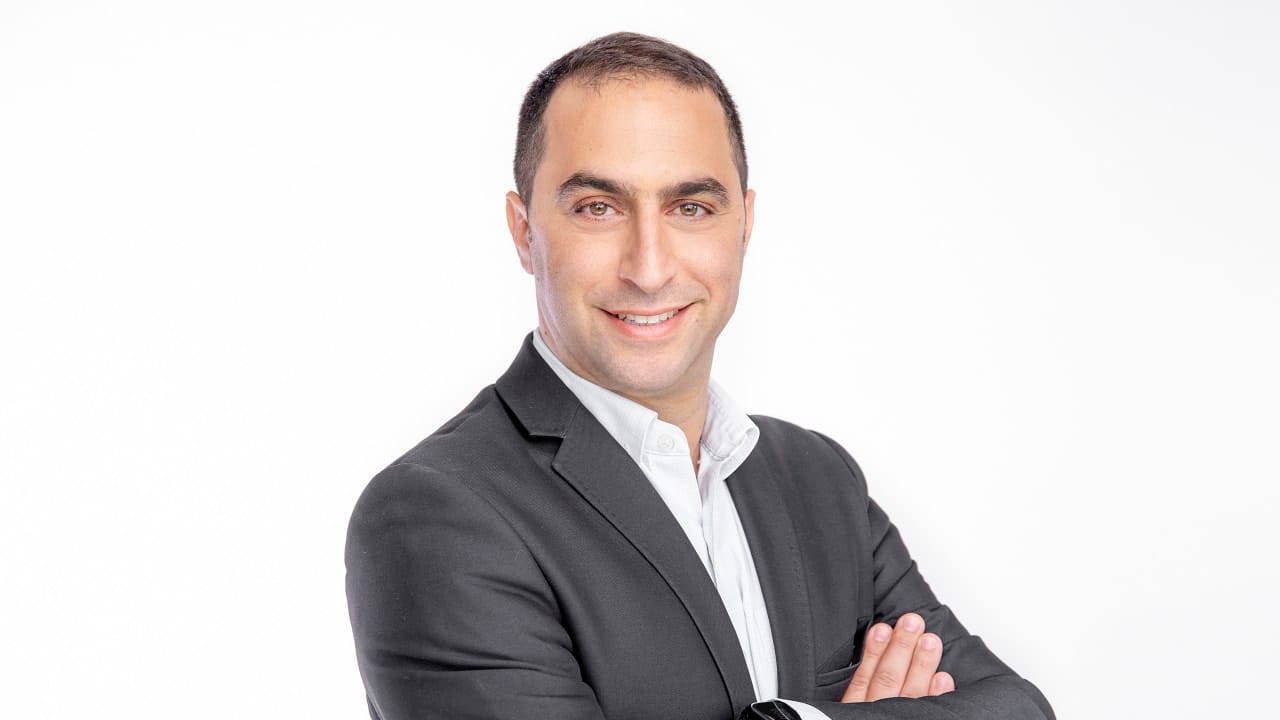
Eldan Kaye is VP Development & Partnerships at Ogen