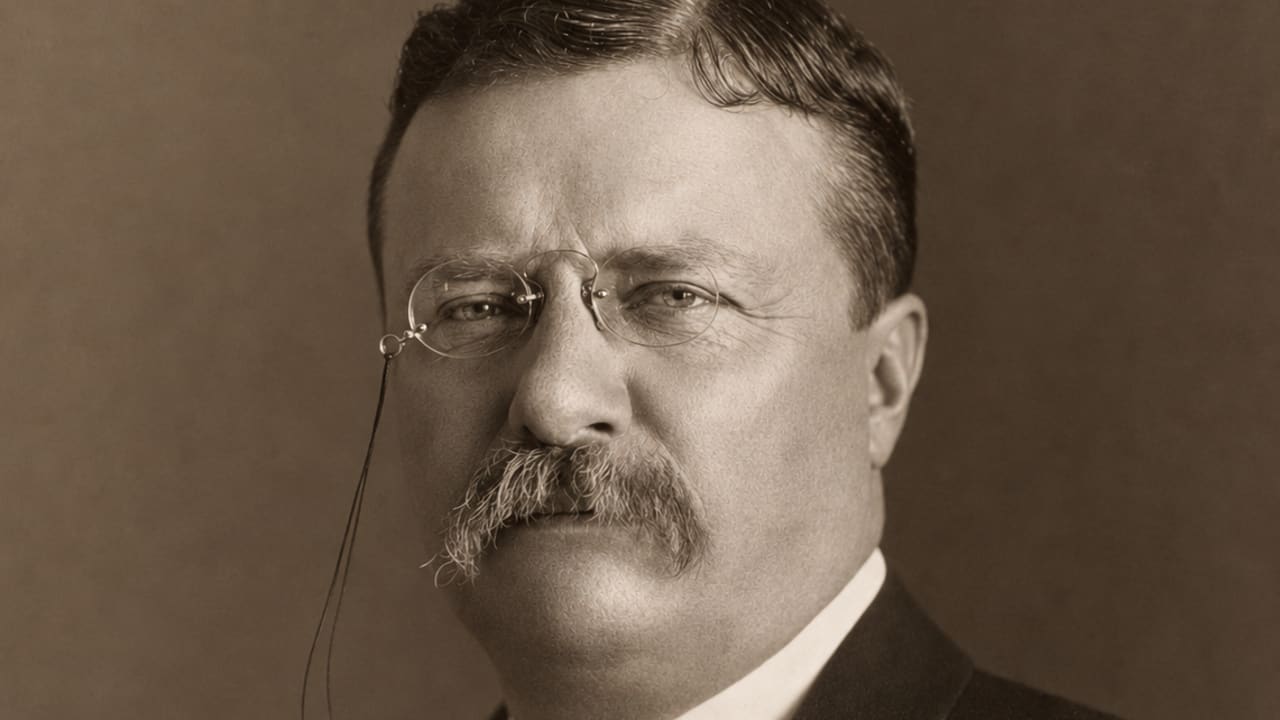
Exactly 12 years ago, Avishay Braverman, then a Labor MK and chairman of the Knesset’s Economic Affairs Committee, claimed that Theodore Roosevelt, US president some 120 years ago, was Prime Minister Benjamin Netanyahu’s “cultural hero.”
The remarks were made during a discussion of the natural gas sector, the day after a meeting between the two. Braverman wanted to advance price controls in the absence of sufficient competition and invoked the American president who fought the “robber barons.”
The message was clear: if Netanyahu admired Roosevelt, he should follow his example when confronting concentrations of economic power. As early as 2012, Braverman had said that, in their conversations, Netanyahu himself had brought up Roosevelt and his struggle against powerful industrialists.
Netanyahu, too, publicly used one of Roosevelt’s most famous sayings. At the Herzliya Conference in January 2006, speaking about the Iranian threat, he recommended that the government adopt the advice: “Speak softly and carry a big stick.” Real strength, coupled with restraint in speech.
Roosevelt remains one of the most highly regarded presidents in American history. In an expert survey published in 2024, he ranked fourth, after Lincoln, FDR, and Washington. A leader of extraordinary charisma and energy, he knew how to turn his personality into political power and establish a direct connection with the public.
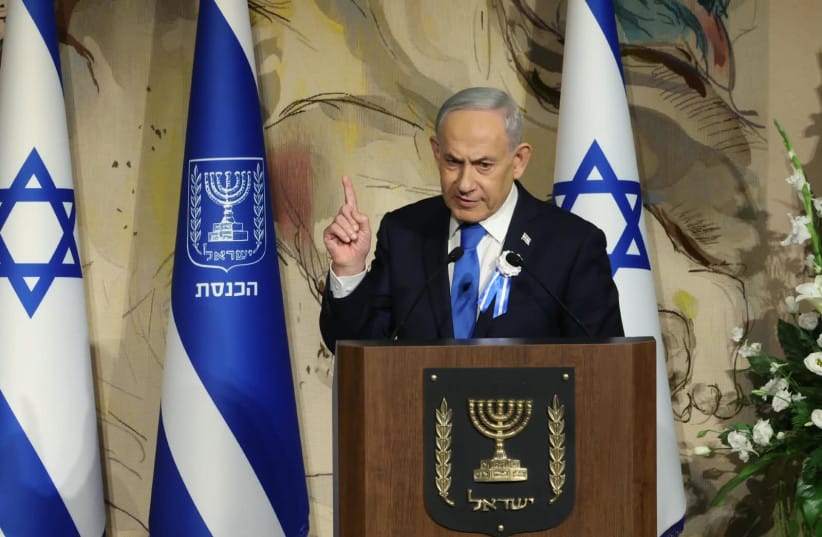
But there is another chapter in the president’s biography: his decision to step aside and pass his party’s leadership to someone else. After winning the election in 1904, Roosevelt promised not to run again in 1908. He later regretted that decision but felt bound by his promise. He promoted his secretary of war, William Howard Taft, as his successor. Taft won the election, and the White House remained in Republican hands. Roosevelt left, and his party remained in power.
Could Netanyahu follow Roosevelt's example?
The circumstances are different, but they lead to a timely Israeli question. As Gadi Eisenkot conducts negotiations to form a government, one question is missing from the discussion: Would Netanyahu be willing to step down as Likud leader, support a successor, and thereby try to keep the premiership in his party’s hands?
This is a scenario, not a report of a move taking shape. Nor is there any guarantee that other parties would agree to give a Likud successor the premiership. But if it becomes clear that there is a real possibility of forming a broad government led by Likud, and that its principal obstacle is Netanyahu himself, he will, at the moment of truth, face a choice whose significance will be difficult to escape.
On the one hand, he could remain at the head of the party and risk moving into opposition. On the other, he could step aside, support a successor, and pave the way for a government that would prevent the very scenario he is fighting with all his might: a government he portrays as a left-wing government dependent on the Arab parties.
If Netanyahu truly believes it is essential to prevent such a government, would he be willing to pay for that with his position? Is keeping his party in power important enough to him to allow Likud to govern without him?
There is no need to cloak this possibility in pure self-sacrifice. He might choose it as a Hail Mary only when he has no remaining path to forming a government himself. Even a decision born of necessity can be an act of leadership. The test will be what he does with the options he has left, and how quickly he recognizes that time is also working against him.
Netanyahu's final test of leadership and legacy
At 77, waiting through another parliamentary term in opposition is no trivial decision. His age alone cannot tell us when his political strength will fade or what his health will be. But even a leader accustomed to surviving is not exempt from time and biology. Waiting four years means attempting to return to power at 81. The opportunity to shape his own final chapter will not remain open forever.
A departure that enables a Likud-led wide government would not erase October 7, the disputes over his responsibility, or the divisions associated with his years in power. It could, however, add a significant chapter to his legacy: at the moment when he could no longer lead himself, he enabled his movement to continue leading and the country to have a broad government.
Perhaps this will be the final and most difficult test for the man who has made himself almost inseparable from Likud: proving that he can secure Likud’s future even at the cost of ending his own leadership. We would then know whether Teddy truly is his cultural hero. Netanyahu already knew how to quote Roosevelt’s advice about the big stick. The question now is whether he can also learn from him how to step aside.
The writer is the publisher of Travel Flash Tips.