High Court orders classified Gofman affidavit transferred to relevant respondents
The court said the classified affidavit must be sent to cleared respondents before it decides how to proceed.

The court said the classified affidavit must be sent to cleared respondents before it decides how to proceed.


Deputy Foreign Minister Sharren Haskel told the 'Post' that Netanyahu’s coalition has exerted “massive pressure” on coalition lawmakers to vote in favor of the contentious draft bill.

Gofman’s lawyer, Ohad Shalem, argued that the A-G's office repeatedly claimed to hold classified documents while, according to Gofman, those materials contained nothing relevant to the petitions.

Arbel thanked Deri and the other members of Shas "for their trust and guidance over the years" and said it was "a great privilege that fell to me to learn from you up close."

Liberman says Netanyahu is prioritizing personal legal interests over national security and rejects any future coalition with ultra-Orthodox parties.

"We will do everything to prevent the Netanyahu, Ben-Gvir, and Smotrich government from continuing for another term," he said in a statement published by Hadash.

“Jewish members were part of the foundation of Panama,” Panama’s charismatic Ambassador to Israel, Ezra Cohen, tells the Magazine.

Poll: 55% of Israelis want Netanyahu to step down, as the coalition drops to 49 seats and the opposition strengthens to a majority.
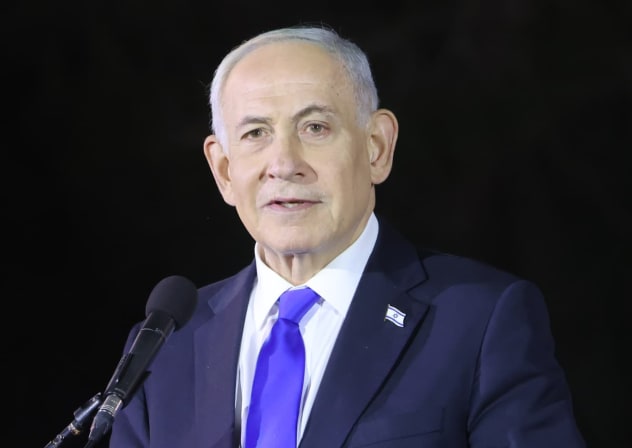
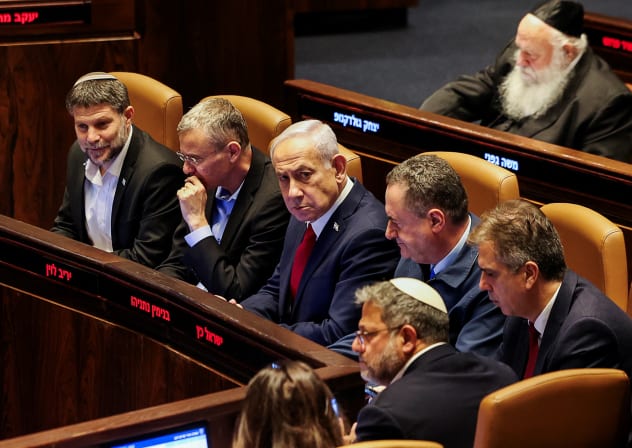
The tensions come after the crisis in Netanyahu’s coalition with the haredi (ultra-Orthodox) parties over the controversial conscription law.
Liberman made the remarks during a visit to Kibbutz Be’eri, one of the southern communities bordering Gaza that was brutally attacked by Hamas terrorists during the October 7 massacre.

Deputy Minister Sharren Haskel served as a keynote speaker at the Maritime Med conference and the East Med Energy Transition Summit.
