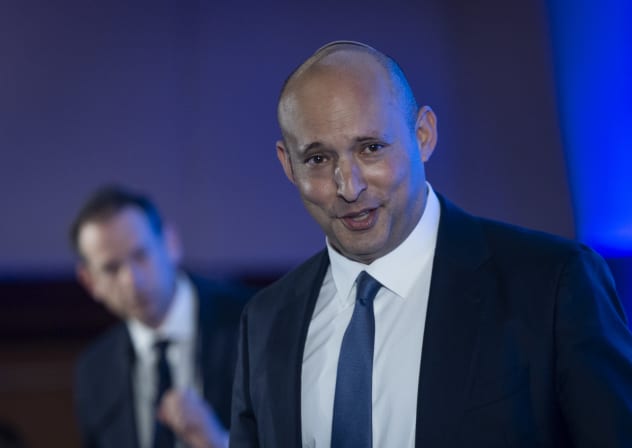
Members of Israel's Right in talks to form new party as alternative to Likud
The initiative, informally described as “Likud B,” is being advanced by right-wing figures, many of whom have had strained relations with Prime Minister Benjamin Netanyahu.

The initiative, informally described as “Likud B,” is being advanced by right-wing figures, many of whom have had strained relations with Prime Minister Benjamin Netanyahu.


High Court October 7 inquiry hearing: Justices hear petitions to force the government to establish a state commission, two and a half years after the Hamas massacre.

According to KAN, Zohar’s first round of questioning on Sunday lasted for 11 hours.

In past efforts by Israel to expand control in the West Bank, the US has called for maintaining stability in the area, adding that US President Donald Trump has not backed total annexation.

The state was ordered to respond to the court's question as to why it has not acted to establish a civil cemetery for Jerusalem and its surrounding area by July 1.

Former prime minister Naftali Bennett told The Jerusalem Post that while Israel remembers those who were lost, it also embraces the families who sacrificed “what was most precious to them."

Gadi Eisenkot gathered 27% of the votes in the latest Maariv survey over who should lead the opposition, while Naftali Bennett received 16%, and Yair Lapid ended last with 6%.

He has also requested that the A-G express her position regarding “someone who impersonates and uses a title that was not given to them in the Knesset."

Israel celebrates its independence in the shadow of an unprecedented historical correction. The Jewish state dared to confront its destiny head-on and did not blink.

"This act constitutes a grave affront to the Christian faith and adds to other reported incidents of desecration of Christian symbols by IDF soldiers in southern Lebanon," said their statement.

Naftali Bennett’s remarks in favor of civil marriage and public transport on Shabbat draw praise from left-wing figures but face sharp criticism from haredi parties.