Over 60 arrested following violent haredi protest at Supreme Court judge’s residence
Taieb clarified that the police are not treating this as a normal protest. According to him, this was a serious criminal event with real intent to harm.

Taieb clarified that the police are not treating this as a normal protest. According to him, this was a serious criminal event with real intent to harm.


Supporters say the bill restores power to elected officials; critics say it would weaken the state’s central legal gatekeeper.
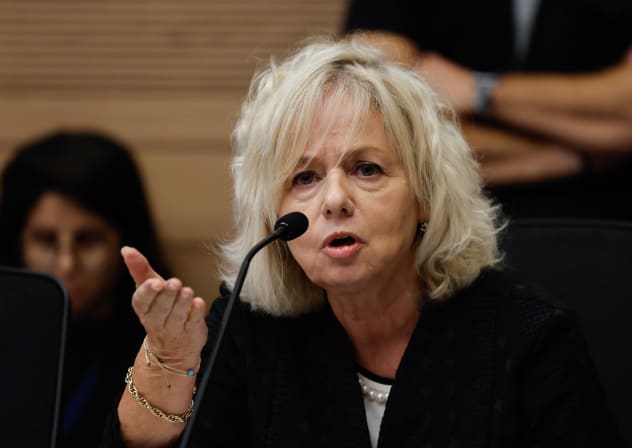
Israel’s High Court ruled the state’s blanket ban on Red Cross visits to security prisoners unlawful, citing lack of legal basis, decades of precedent, and violations of detainee rights.

The May poll by Agam Labs at Israel's Hebrew University showed residents in the north abandoning Netanyahu's Likud more quickly than voters elsewhere and faulting him harshly over the war in Lebanon.

The opposition warned, after the highly controversial vote took place in the Knesset plenum, that the election was illegal, while many petitions were also filed with the High Court of Justice.

According to the request, the applicants asked to join after the petition was filed, citing their public interest in the law and involvement in the parliamentary and public debate around it.
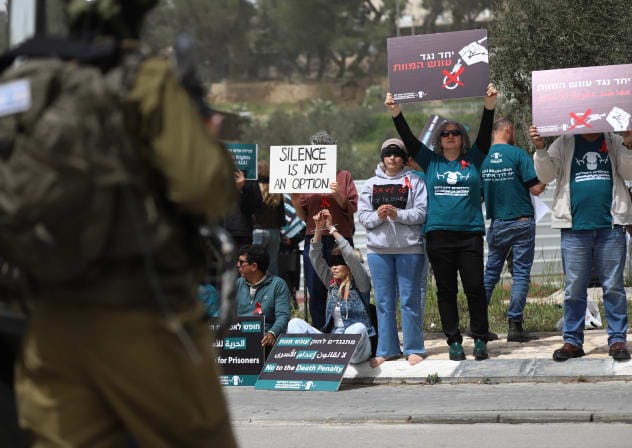
Amsalem also claimed the United States was limiting Israel’s capabilities to attack Hezbollah, and that Israel was operating “wisely” within those constraints.

Amid coalition pressure and vote controversies, Netanyahu ally Michael Rabello wins Knesset election for state comptroller.

Netanyahu issued a statement shortly after the approval, naming the proposal as his and Smotrich's product, although the prime minister was absent for much of the approval meeting on Tuesday evening.

According to a knowledgeable source, Netanyahu has come to terms with the idea of primaries, meaning that he is not currently working to cancel them.

Comptroller Englman raised concerns that membership fees may have been paid by someone other than the party member, a practice that is illegal under Israeli law.
