Bennett unveils ‘Israeli Renaissance’ plan, says alliance will replace Netanyahu - exclusive
Bennett unveiled in a Wednesday interview with The Jerusalem Post his plan to bring one million new olim to Israel over the next decade.

Bennett unveiled in a Wednesday interview with The Jerusalem Post his plan to bring one million new olim to Israel over the next decade.


Ben-Gvir said the attorney-general was "a criminal," "ousted," and "anti-democratic," and accused her of acting against Israel's best interests by attempting to "frame" Yaakobi.

Economist Shaul Meridor, former director-general at Israel’s Energy Ministry and head of the Budget Division, joined Gadi Eisenkot’s Yashar! Party, pledging to help lead a deep reform in Israel.

The invitation follows Sunday’s announcement by Bennett and Lapid of their new unified party, Together, during which they also publicly called on Eisenkot to join them.

The filing, submitted on behalf of the legal advisory system and the Courts Administration, comes ahead of a hearing scheduled for Sunday on Levin’s refusal to convene the committee.

The Otzma Yehudit party, known for its far-right stance, has recently polled at around eight seats, making it a key player in Netanyahu’s coalition.
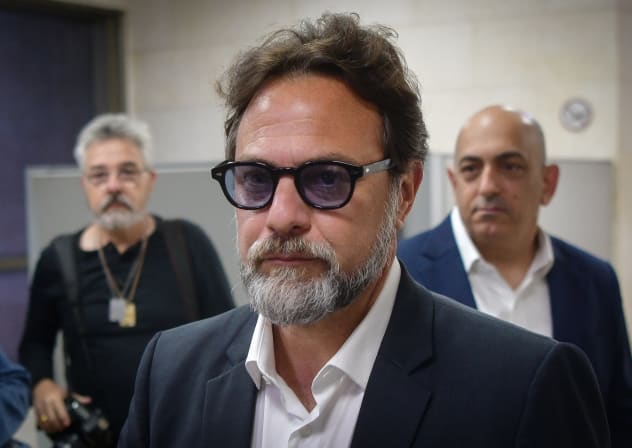
"After receiving the update, a decision will be made regarding the further handling of the petitions," the High Court of Justice said in a statement.

Eisenkot said he reached out on Monday to the parties he described as the “Hope Bloc” follwing the political merger of former prime ministers Bennett and Lapid.

The poll marks a shift after four consecutive surveys in which the opposition bloc held 61 seats without relying on Arab parties. It now falls to 59 seats, while the coalition rises from 49 to 51.

Talks between the two were long, intense, and crowded, taking place over several weeks. Those who spoke with them during this period heard many mutual compliments, although without understanding.

Members of the Netanyahu-led coalition and the opposition reacted to Bennett and Lapid's announcement that the two will form a joint list for the 2026 Knesset elections.
