Trump says Xi agrees Iran must open Hormuz, China calls war unjustified
Following his Beijing summit, Trump says Xi supports reopening the Strait of Hormuz, while China calls the Iran war a conflict that “should never have happened.”

Following his Beijing summit, Trump says Xi supports reopening the Strait of Hormuz, while China calls the Iran war a conflict that “should never have happened.”


US and Nigerian forces killed ISIS global deputy Abu-Bilal al-Minuki in a joint operation, Trump confirmed on early Saturday.
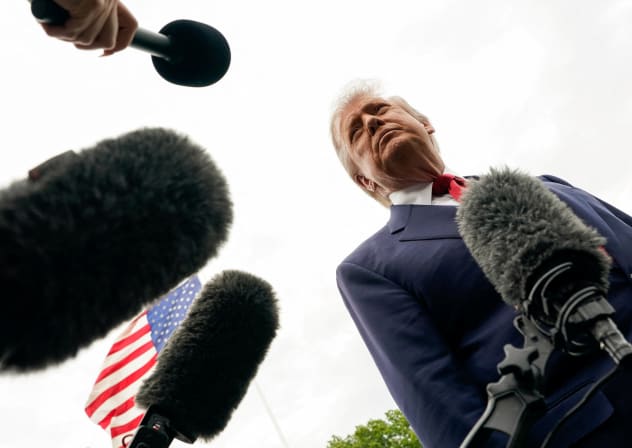
A spokesperson for the NYT alleged that the threat of legal action “is part of a well-worn political playbook that aims to undermine independent reporting and stifle journalism."
Iran has a history of targeting ATGs, making it the prime suspect in these breaches, but sources warned CNN that the hackers left little evidence to allow definitive identification.
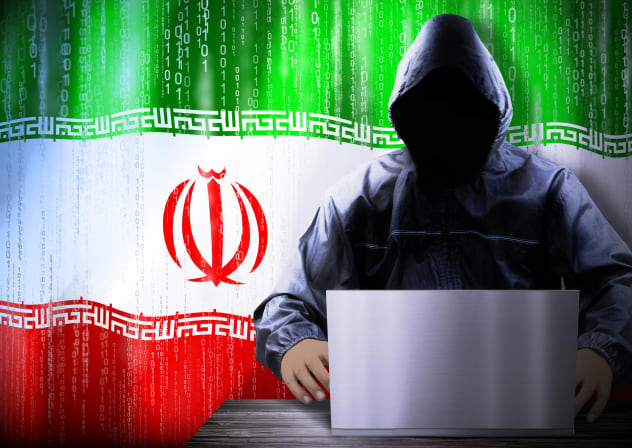
On May 15, the US Justice Department announced “the arrest of Mohammad Baqer Saad Dawood Al-Saadi, an Iraqi national and senior member of Kataib Hezbollah,” the department said.

Trump became the first US president to formally encourage Americans to observe Shabbat as part of celebrations marking the country’s 250th anniversary.

The US is considering asking Israel to redirect some withheld Palestinian Authority tax funds toward President Donald Trump’s postwar Gaza plan, sources said.
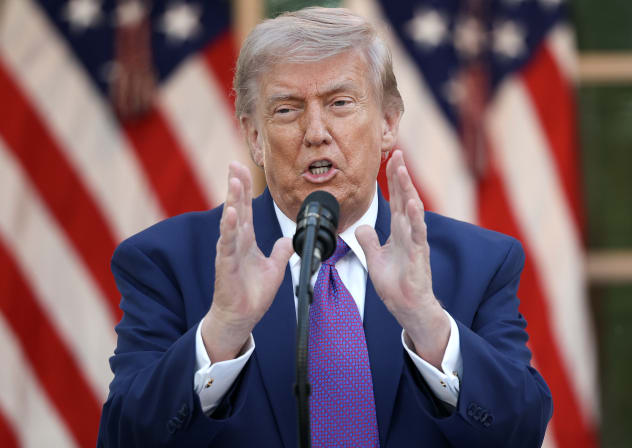
“It’s just so absurd and so beyond the pale that it was hard for me to imagine that so many people would print it in the first place, but so many people would buy it,” Levitov said.

“As far as I’m concerned, you can regret having a Nazi tattoo, you can try to cover it up, but it’s still there,” JDCA CEO Halie Soifer said.

“That is not negotiation,” Smart said. “It is surrender language packaged as diplomacy.”

"It's been an incredible visit. I think a lot of good has come of it," Trump told Xi at their final meeting.
