Trump says US may renew strikes against Iran, 'do another little Epic Fury'
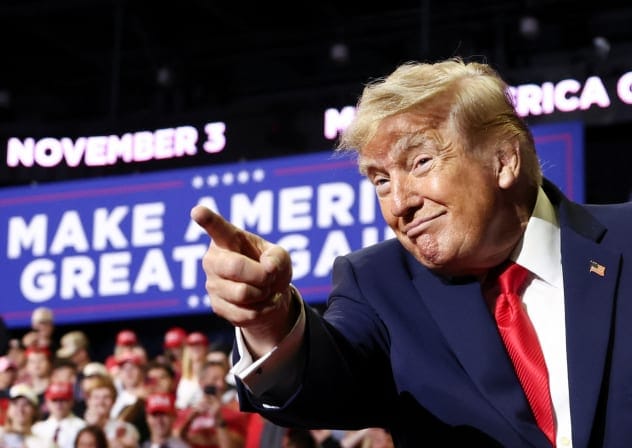
"We may do another little Epic Fury," Trump said in remarks at a rally in Florida as he spoke about the war. He did not elaborate.

"We may do another little Epic Fury," Trump said in remarks at a rally in Florida as he spoke about the war. He did not elaborate.


"It is the first time we have had a terrorist act that was planned to kill our compatriots, our children, based on the color of their skin or their religion," Macron said.

Canadian Prime Minister Mark Carney and Turkish President Recep Tayyip Erdogan upgraded bilateral ties to a strategic partnership, targeting expanded cooperation in defense, energy, and investment.

The DHS Inspector General's Office has been investigating Lewandowski's involvement in the handling of certain government contracts, according to one of the people, a DHS official.

In the ad, Amy Acton’s estranged mother, Donna Arthur, disputes the Democratic candidate’s account of childhood homelessness and sexual abuse and urges Ohioans not to vote for her.
Venezuela's socialist movement, in power since 1999 under late President Hugo Chavez and then Maduro, has in the past deployed security forces against protesters decrying political repression.

Russia pounded Kyiv with ballistic missiles, and Ukraine sent hundreds of drones towards Moscow on Thursday, as the warring sides kept up a barrage of attacks despite the latest US push to end war.

Trump accused NBA star LeBron James of disrespecting the US national anthem after sharing footage of him stretching and making basketball movements during its performance.

Ilhan Omar says she will leave her Washington home after a federal search tied to an immigration fraud investigation, alleging political intimidation and denying wrongdoing.

With so many condemnations pouring in, why would Libya decide now is a good time to bring up this issue?

Trump asked Musk to lift Starlink restrictions in Ukraine, shortly after Russia had struck Kyiv with three ballistic missiles carrying cluster munition warheads, Zelensky said.
