PSG beat Arsenal, become Champions League winners for second time
The soccer match was played in Hungary's Puskas Arena, in Budapest, with goals scored by Arsenal's Kai Havertz and PSG's Ousmane Dembele.

The soccer match was played in Hungary's Puskas Arena, in Budapest, with goals scored by Arsenal's Kai Havertz and PSG's Ousmane Dembele.


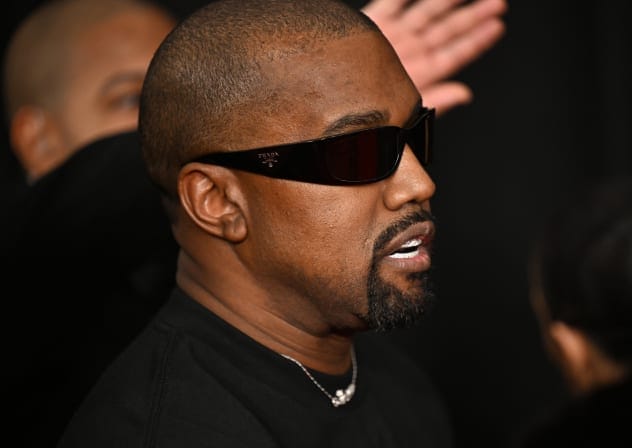
West has faced a wave of cancellations across Europe this summer following years of antisemitic remarks, with Britain denying him entry in April.
Joe Biden, 81 years old at the time of the debate, dropped out of the US presidential race on July 21, 2024.

Trump's Tuesday visit to Walter Reed National Military Medical Center in Maryland was his third in 13 months.

Trump, who met with China's President Xi Jinping earlier this month, has pointedly said European and NATO partners should reduce reliance on Washington.

The PGSA condemned the sanctions and added that it considered being sanctioned by “a country whose leader takes pride in piracy” as a sign of “positive performance."

Avila Chevalier’s campaign priorities include abolishing ICE, adding affordable housing, and securing federal funds to repair the city’s public housing.

Donovan's meeting in Cuba is the first in recent memory by a head of Southern Command and comes amid growing concerns in Cuba of a possible US military attack on the Communist-run island.

While China can fire nuclear weapons from submarines and aircraft, the silo fields in the northwestern Xinjiang region and Gansu province are the core of its nuclear forces.

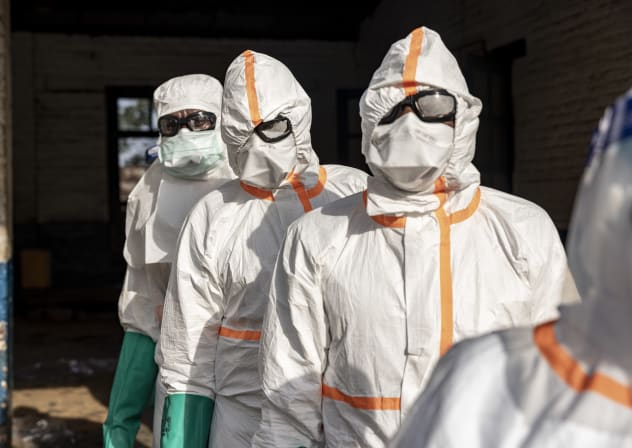
Uganda's health ministry said on Friday that the number of confirmed Ebola cases in the country had risen to nine.
According to police, the allegations were believed to relate to Iran and to the targeting of a British-based journalist at Iran International, which is critical of Tehran's government.
