Four people, nine entities tied to Iran financial evasion network sanctioned by US Treasury
The Treasury further called for governments and financial institutions worldwide to avoid engaging with financial networks connected to Iran.

The Treasury further called for governments and financial institutions worldwide to avoid engaging with financial networks connected to Iran.


Ukrainian officials believe that Russia is unlikely to end the war full stop and think that a partial ceasefire, which has been floated before, seems like the most realistic option.

Warken will be the first woman to hold her new post, an important position that serves as a node between the chancellery, ministries and lawmakers.

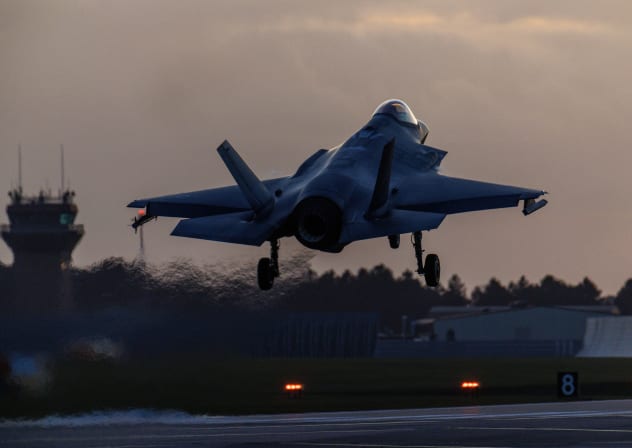
On Thursday, the IRGC said the US had flown bombing missions against Iran from Fairford in southwest England, adding that any base used to launch such attacks would be a legitimate target.
France said on Thursday it would vote in favor of the removal of Khan. The Netherlands, which hosts the court in The Hague, has also said it would support his dismissal.

Turk, a lawyer who has worked for the United Nations for decades in major offices such as Geneva and field locations including Kosovo, ends his first four-year term in October.

"Kenmore Air is fully cooperating with the investigating authorities, and we will continue providing verified information as it becomes available," CEO David Gudgel said in a statement.

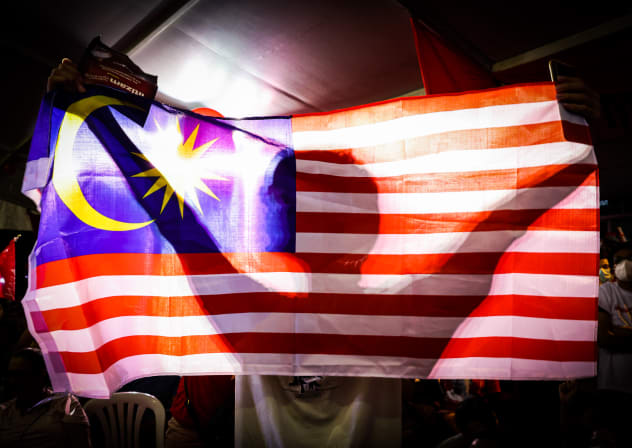
Malaysian Foreign Minister Mohamad Hasan said that the ambassador told the US State Department that Malaysia's longstanding policy of not recognising Israel was not new
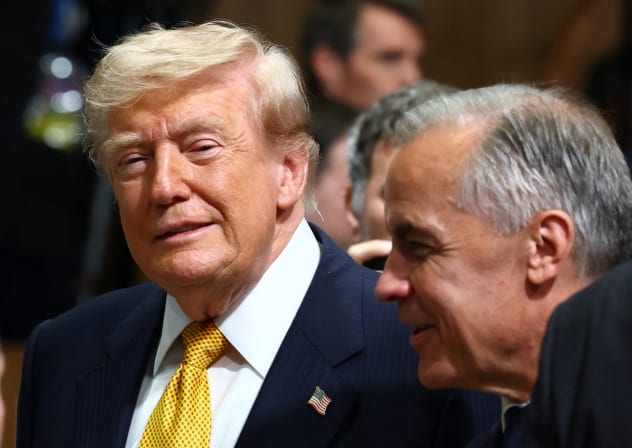
Canada's Prime Minister Mark Carney's remarks came as US Trade Representative Jamieson Greer said he hoped to strike interim trade deals with Mexico and Canada this year.
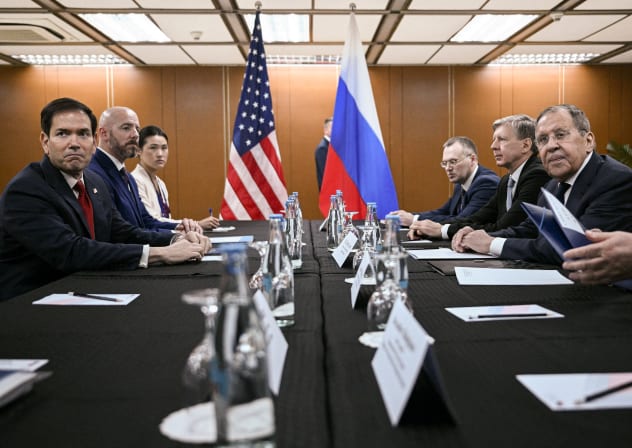
Rubio said that it was a challenge to find an "end that both sides can accept," but that the US is "prepared to play that role in a positive way."
Yossi Pinto, head of the IDF's delegation to Venezuela, told the Post that Israeli experts developed a nationwide system to assess damaged buildings and guide the country's long-term reconstruction.
