IAEA chief Grossi discusses Iran, Syria non-proliferation with US Energy Secretary Wright
Grossi arrived in the US ahead of the launch of the IAEA's initiative ATLAS, designed to aid the deployment of civil nuclear applications at sea.

Grossi arrived in the US ahead of the launch of the IAEA's initiative ATLAS, designed to aid the deployment of civil nuclear applications at sea.


The fire was reportedly caused by a fault in air conditioning systems.

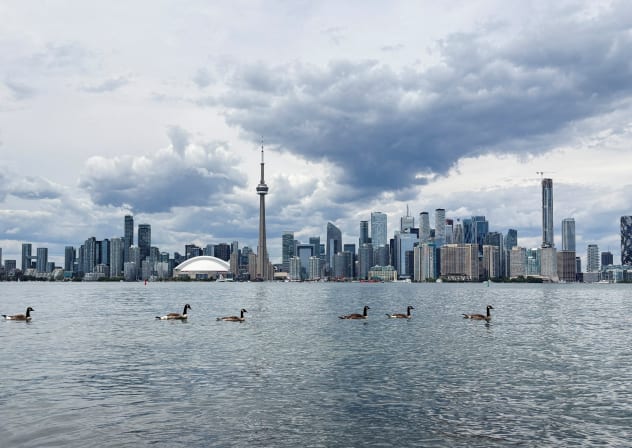
US President Donald Trump said he's considering the name change amid increasingly difficult trade relations between the US and Canada.
Four US states, California, Colorado, Kentucky, and New Jersey, have accused Meta of designing the platforms to hook young users, fueling anxiety, depression, and even suicide.

Trump received warnings before attacking Iran from intelligence and senior officials that war could bring major casualties, regional attacks and nuclear risks accoridng to The Wall Street Journal.

She is the one of the most decorated female country artists of all time and is widely acknowledged to be the queen of country music.

Maxwell, 64, who represented herself, challenged her December 2021 conviction and sentence in Manhattan federal court and sought a writ of habeas corpus after claiming her punishment was unlawful.

A source familiar with the details of Ratcliffe's trip told The Jerusalem Post that Trump officials asked Ukraine several days ago to pause any strikes against Moscow from Monday through Wednesday.

The Lincoln, which left the Middle East on Saturday, has not made a port call in more than 200 days, setting a modern-day record for consecutive days at sea.

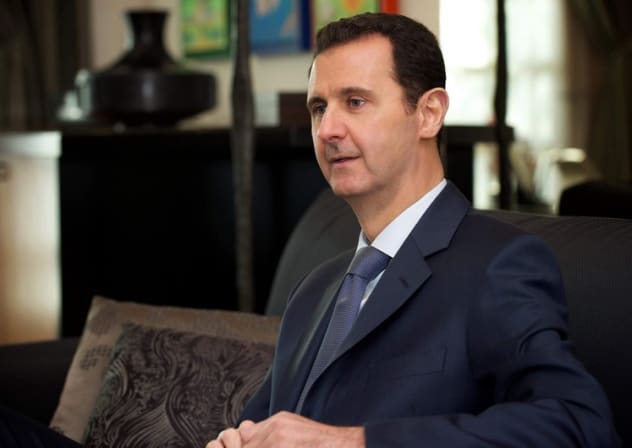
After a Damascus court sentenced him to death in absentia, an extradition treaty signed by Bashar Assad with Russia provides a legal avenue for seeking his return—but the death sentence itself could
The missile, which is undergoing testing, is being developed and will be manufactured by Raytheon to give pilots operating from US aircraft carriers the ability to destroy from very long range.
