FIFA gives green light for rainbow flags at Egypt v Iran World Cup clash
Friday's group game falls on Seattle's Pride weekend, a scheduling quirk that emerged only after December's draw pitted the two Muslim-majority countries against each other.

Friday's group game falls on Seattle's Pride weekend, a scheduling quirk that emerged only after December's draw pitted the two Muslim-majority countries against each other.


For months in late 2024, the IDF complained that the Lebanese army was afraid of Hezbollah and not nearly aggressive enough in handling issues and complaints.

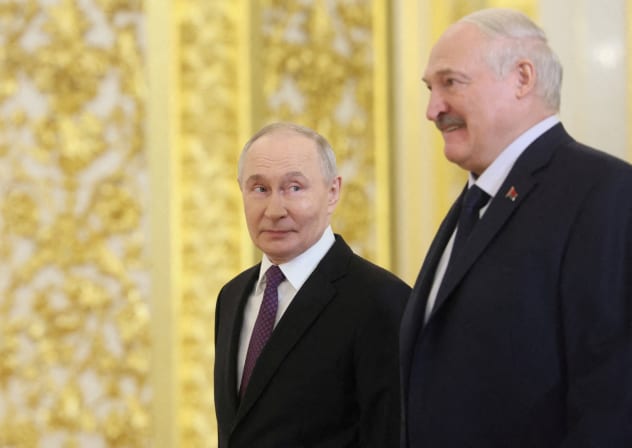
Sources told the WSJ that if Belarus were used for a Russian attack, it could be aimed at testing NATO defenses or more attempts at undermining support for Ukraine.
Major James Capers Jr was born in Bishopville, South Carolina in 1937 during the Jim Crow era and was raised in a family of sharecroppers.

An unverified video has circulated on social media showing a car ramming a crowd; Reuters couldn't immediately verify its authenticity.

US officials said an Israeli citizen working in Arizona received a sentence of time served after pleading guilty to a conspiracy to steal sensitive semiconductor design data.

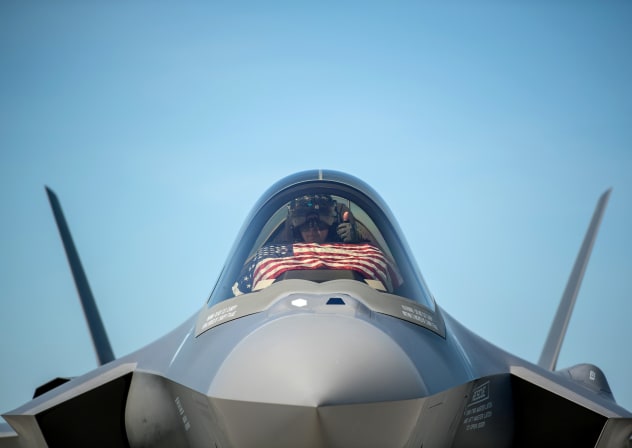
Vice President JD Vance said that the US could sell Turkey F-35 fighter jets, but further review is necessary to ensure compliance with US law.
Israel's Foreign and Health ministries are preparing official delegations and aid, while non-governmental organizations, including IsraAID and KKL-JNF, are also sending aid.

US Secretary of State Marco Rubio is seeking backing from Gulf Arab allies for the US-Iran peace deal on the highest-level diplomatic mission since the agreement to end the conflict last week.

Orkin, an immigrant workers’ rights attorney and union organizer, received 58.8% of the vote.

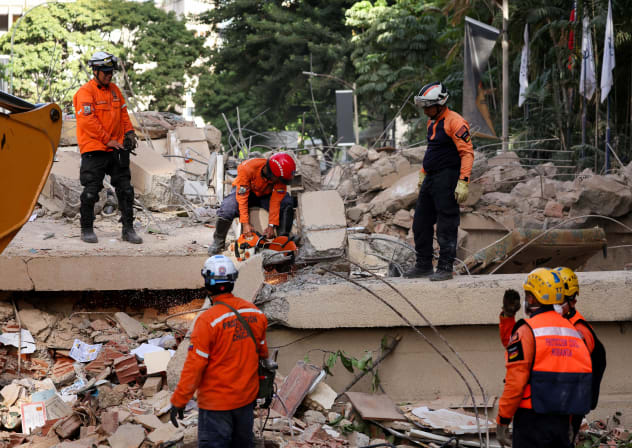
The USGS, using predictive modeling to estimate the death toll, said it would most likely run into the thousands. Some 200 people are currently feared trapped under rubble.