Iran's shattered economy means any success in war may be fleeting
Even as Iran appears emboldened on the regional stage after exerting its control over crucial energy supplies, it faces mounting internal problems.
Even amid ongoing Iranian missile and rocket attacks against Gulf facilities, the states from the region welcomed the ceasefire, demanding an end to hostilities.
Iran threatens ships moving through Hormuz • IDF says no changes to Home Front guidelines as schools set to reopen • US, Iran delegations arriving in Pakistan on Friday
Iran had demanded in its initial 10-point proposal for Israel to halt its strikes on Hezbollah in Lebanon, leading to speculation of the terror group's inclusion in the deal.
Iran’s Supreme National Security Council said it had accepted the two-week ceasefire, while stressing that the war itself had not ended yet.
Pakistani Prime Minister Shehbaz Sharif urged both the Iranian leadership and Trump to implement a two-week ceasefire “to allow diplomacy to achieve conclusive termination of war."
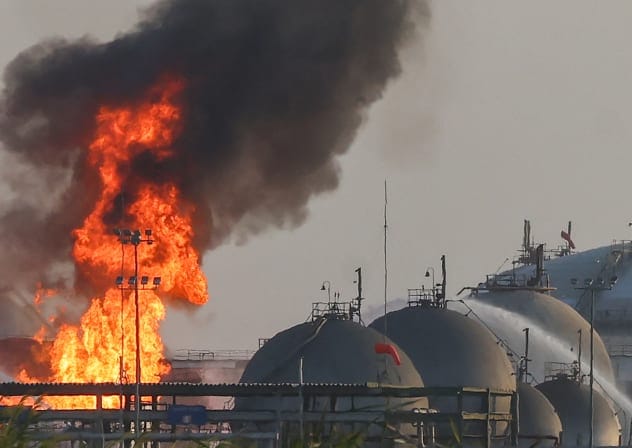
The main route linking Bahrain and Saudi Arabia was closed, while Kuwait ordered citizens nationwide to stay near protected areas from midnight till 6 a.m.
The attack follows US President Donald Trump's ultimatum to Iran to open the Strait of Hormuz oil chokepoint by Tuesday night.
The strikes included attacks on Kharg Island's air defenses, a US official confirmed to Walla on Tuesday.
Later on Tuesday, Iran officially cut off all direct communications with the US over Trump's threat. It is currently unclear if the nations will resume direct talks before the 8 p.m. EST deadline.
Iran could achieve USD 70-90 billion in annual revenue if the Islamic regime is allowed to charge a toll in the Strait of Hormuz, according to a J.P. Morgan paper.