Shooting in Iranian city of Zahedan sparks mass security response, city shutdown - report
Several ambulances were dispatched to the area, and checkpoints were established on nearby streets, according to the Iran International report.
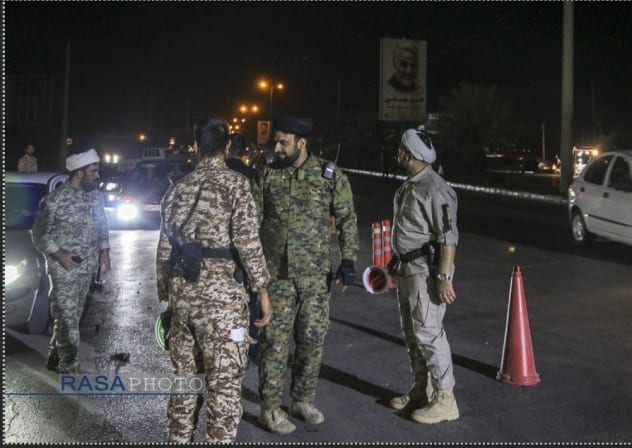
Several ambulances were dispatched to the area, and checkpoints were established on nearby streets, according to the Iran International report.


China remains a factor Tehran cannot afford to ignore, but two Iranian sources said Beijing's interests were only one of many considerations.

The Amnesty report found that Iranian authorities committed crimes against humanity to suppress the demonstrations.

The US was accused of the targeting a school in the city of Minab and a sports center in the city of Lamerd, while the Iranian regime was accused of the handling protests.
Only 29% of Afghans who recently returned from Iran said they had any savings left after their average income fell by nearly one-third compared to pre-crisis levels.

Trump reportedly to meet Gulf leaders for Iran war talks next week • Trump says Iran “really wants” an agreement • Drone strikes Kurdish group opposed to IRGC in Iraq

Saudi expert Dr. Nawaf Obaid told CNN that Russia's capabilities used by the Iranians are the reason for the state of the US-Iran conflict as it stands today.

Prosecutors allege that an individual contacted by Iran was told to form a cell to kill a scientist and his family.

The attack on Mecca has demonstrated that ‘this is not a religious war,’ even if Iran has attempted to portray it as such, Bahraini political analyst Dr. Ahmed Alkhuzaie said.

The official's expulsion follows a CNN report in April that Iran allegedly used criminal gangs in Sweden to target Israeli and Jewish interests.

‘The Woman, Life, Freedom uprising gave them an opportunity to say ‘no’ to a fascist system that treated women merely as slaves and always portrayed them as inferior to men.’
