Oil tanker exploded after colliding with mines in Hormuz, Iran's Fars reports
An oil tanker exploded and caught fire after colliding with mines in the Strait of Hormuz, Iran's IRGC said, according to Fars, without saying when the incident occurred.

An oil tanker exploded and caught fire after colliding with mines in the Strait of Hormuz, Iran's IRGC said, according to Fars, without saying when the incident occurred.


Khamenei has not been seen since being appointed in March after the death of his father, and while written statements and messages have been issued in his name, many have doubts.

Netanyahu wants to raise IDF budget; Lapid conditions it on canceling Haredi funds • Netanyahu warns Hezbollah of retaliation • IDF reveals Hezbollah trying to establish footholds in southern Lebanon

Oman's foreign minister, Sayyid Badr Albusaidi, posted late Sunday that the regional meeting had been postponed "in the interests of consensus."

If Iran attacks, there will be no way back. Israel’s response, officials have indicated, would target critical national infrastructure that a collapsing regime would not be able to rebuild.
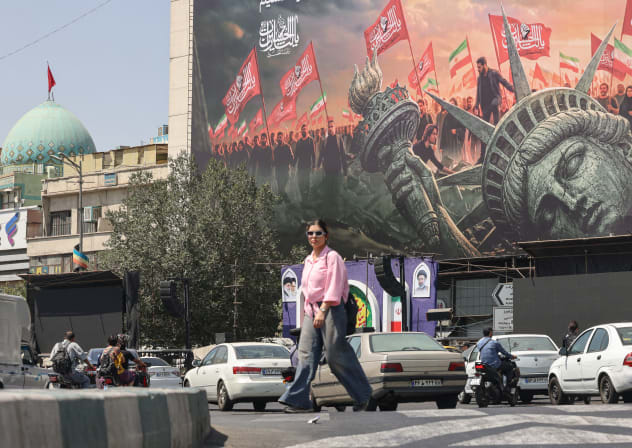
Russia based the original Geran, which carries a 20-kilogram warhead and has a top speed of 185 kph, on Iranian-designed Shahed drones.

IDF kills two Hamas terrorists in Gaza City strike • Alerts sound in Saudi Arabia near Yemen border • Iran's President Pezeshkian vows not to surrender
The meeting, which will not count on the presence of all the Gulf states, aims to find a solution to the situation in the Strait of Hormuz.

Houthis damage mosque in attack on Saudi Arabia • Houthis capture both sides of Bab al-Mandeb Strait • Iraqi military commander dismissed following drone attack on Saudi Arabia

Anthropic's 154-page report revealed the dangers of US and Western adversaries using artificial intelligence models to pose security threats.

The gathering is scheduled to be held on Monday in the Omani coastal city of Salalah, the report said, citing two people briefed on the matter.