Australia to hold first antisemitism commission hearing after Bondi Beach interim report
The Commission, which will first focus on tasks involving the definition of antisemitism, will hold the block of hearings until next Friday.
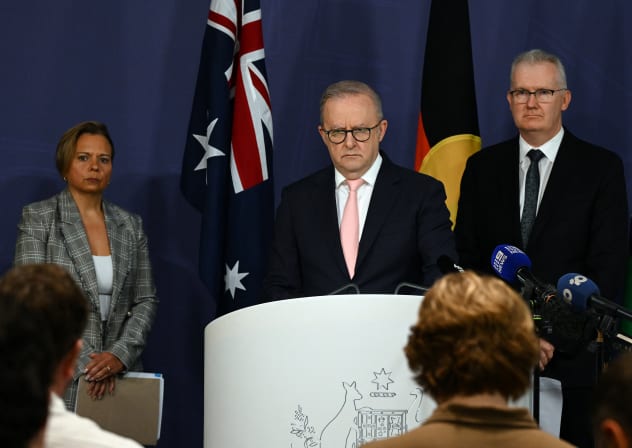
The Commission, which will first focus on tasks involving the definition of antisemitism, will hold the block of hearings until next Friday.


CAM CEO Sacha Roytman warned, "If governments do not respond forcefully at every level, this 'hunting season' against Jews will continue."
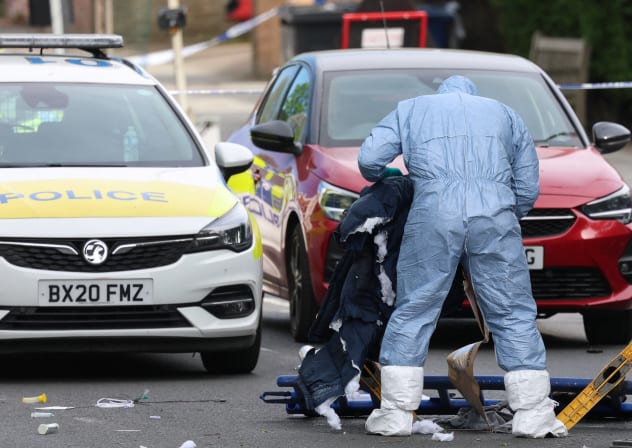
Ilya Bratman, whose Hillel network oversees the TNS branch, told the Post that the organization was in contact with the university and the USS decision would not be accepted.

The victims sustained minor injuries after they were shot with the replica firearm, and the suspect fled in their vehicle.

The school, Arki Kid, was licensed to care for up to 18 children of ages 2-5. The 89 Israeli children were found during a raid on the school, and ranged between 2 and 12 years old.

The new charges included public incitement of hatred, unlawful assembly while masked, participation in a riot while masked, and mischief, interference with the lawful enjoyment of property.
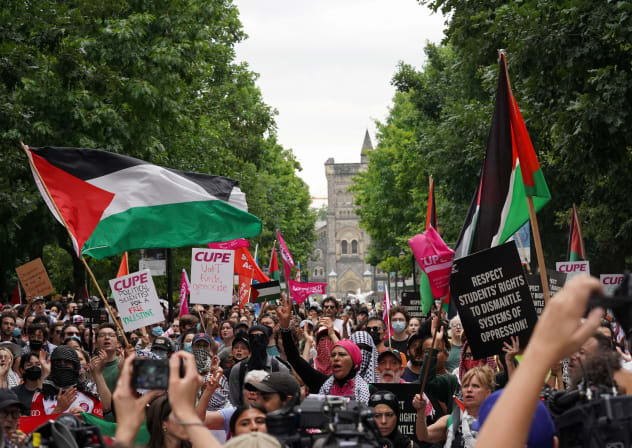
Starmer told the BBC that he would always defend freedom of expression and peaceful protest, but chants like "Globalize the Intifada" during demonstrations were "completely off limits.

For 35 years, Kaylie’s mother, Deborah Brodie, had amassed a collection of over 200 Jewish ritual objects, which she had used as a hands-on classroom for her Hebrew school students with special needs

Tina Ion, a Green party candidate in Newcastle, referred to “Zionists” as “vermin” and “rats” and posted an image of an industrial shredding machine, which she called a “Zionist juicer.”

An investigation by Campaign Against Antisemitism and confirmed by The Jerusalem Post reveals a long history of violence that includes attacking officials and disrupting demonstrations.

York Regional Police announced on Wednesday that they were seeking the public's assistance in identifying the assailant, described as a thin, over-6-foot-tall black male youth with curly hair.
