Jerusalem highlights: October 23-29
What's new to do in Israel's capital?

What's new to do in Israel's capital?


Alongside the government resolution, the IDF and Defense Ministry are advancing legislation in the Knesset, which they hope to expedite after the elections, during the Knesset's first session.

Finance Minister Bezalel Smotrich claimed that, after the attack, there would be "no escaping" a comprehensive military campaign in the West Bank.

According to the indictment, the incident occurred on September 18, after the soldier entered the village of Aqraba, which was outside his area of responsibility.

The military had announced earlier that morning that two Hamas-linked terrorists, Hamouda and Firas Jua'ba, involved in the attack had been killed. There are no other terrorists involved.

According to footage shared online of the incident, security personnel quickly jumped the barricade holding back the gathered crowd in attempt to locate the individual who threw the bottle.

"First of all, what kept me going there, more than anything, was the belief that I would see my son Re'em again, my wife and my family," said Bohbot.

The activists were seen dancing to a song associated with Neturei Karta, an anti-Zionist and ultra-Orthodox Jewish group.

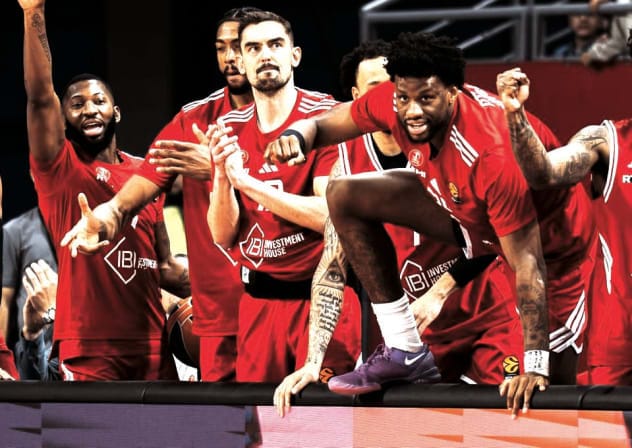
Hapoel Jerusalem remained unbeaten in the EuroCup with a commanding 100-64 victory over Riga Zelli, while Bnei Herzliya fell 86-74 to Porto in Basketball Champions League action.
For now, the broader message is unmistakable: Writing off Maccabi Haifa after its preseason struggles would have been premature.

The High Court rules 2-1 against real-time voter counting by political party representatives ahead of Israel's 2026 elections.
