Two shot dead in northern, central Israel as Arab sector death toll reaches 158 this year
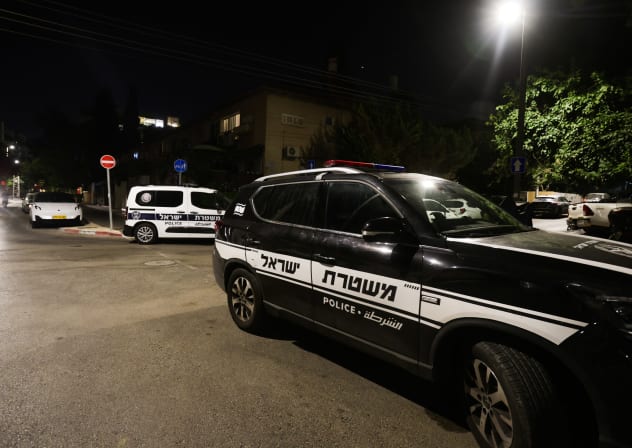
Two fatal shootings in Israel's Arab sector within 24 hours have left two men dead, with police probing possible criminal motives behind the attacks.

Two fatal shootings in Israel's Arab sector within 24 hours have left two men dead, with police probing possible criminal motives behind the attacks.


The suspected offenses included fraud, breach of trust, obtaining something by fraud, theft or fraudulent misappropriation, false entries in corporate documents, and other offenses.
The suspect is alleged to have operated a number of social media accounts through which he would publish incitement against Israel and the IDF, alongside praise and support for Hamas.

A Lahav 433 investigation named David Appel and former MK Michael Kleiner as the suspects in a multimillion-shekel real estate fraud probe.

Fallen soldier Sgt. Yehuda Peretz was killed when the vehicle he was traveling in crashed into a barrier on Route 222, only a month before his wedding date.

Staff Sgt. Regev Amar fell in battle in Kibbutz Kissufim on October 7 and was buried near the Nahal Hermon river, which his family says is the place he loved most.

Khatib, a 74-year-old resident of Kafr Kanna, was charged with transporting illegal citizens, while the two Gazans were charged with entering and remaining in Israel without permits.

The court extended suspects’ detention until Friday as police conclude an investigation launched after the July 11 killing in Jerusalem’s Nachlaot neighborhood.

A well-known lawyer in his 50s was shot dead in his office near Rishon Lezion's Golden Mall in an apparent targeted killing, as police launched a search for the suspect and opened an investigation.

The two arrested individuals and the seized materials were transferred to the Segev Shalom station in the Southern District for further investigation by the Israel Police.

Prosecutors say the 22-year-old ignored the woman's repeated objections, forced his way into her Petah Tikva apartment, and sexually assaulted her. They asked that he remain in custody pending trial.
