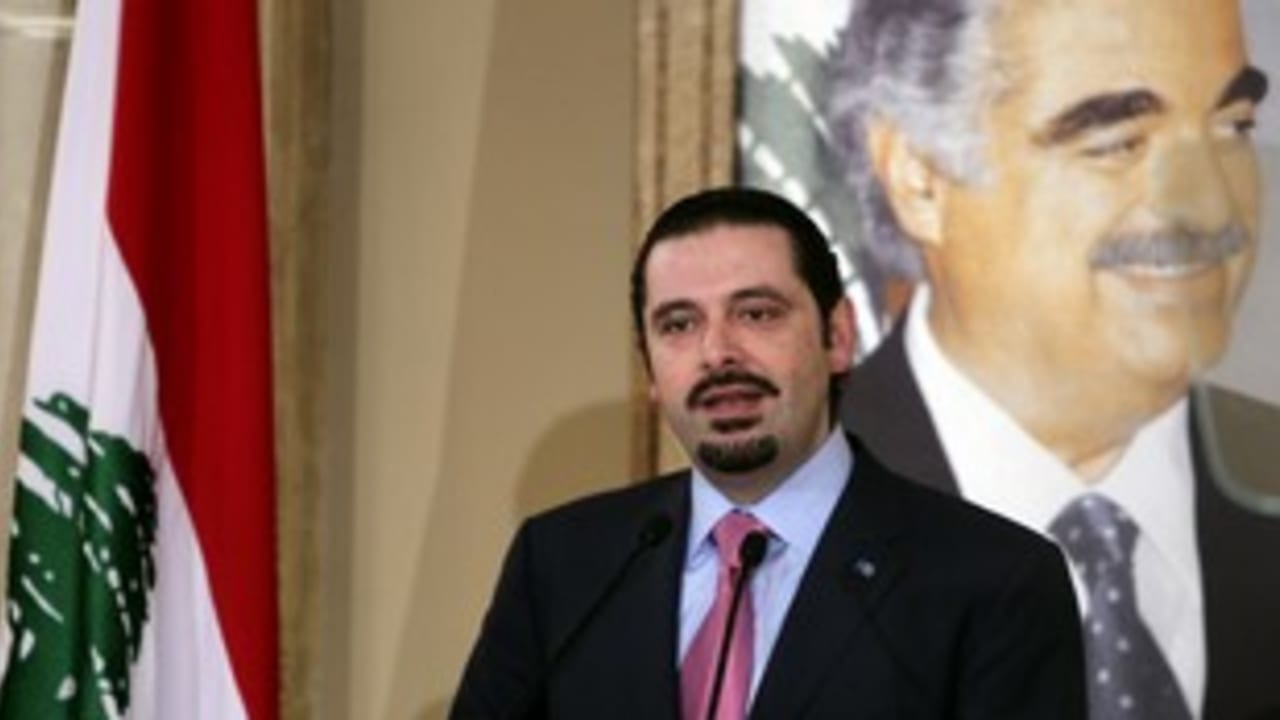
BEIRUT - The UN-backed Special Tribunal for Lebanon said on Thursday it hoped to start in 2012 the trial in absentia of four Hezbollah suspects, indicted over the killing of Lebanon's former prime minister Rafik Hariri.Warrants for the arrest of the four men were issued by the tribunal in June, but Lebanon later told the court it had been unable to track any of them down.The powerful Shi'ite Muslim group Hezbollah has denied any role in the 2005 car bombing which killed Hariri, a billionaire Sunni Muslim politician, and 21 other people and said it would refuse to allow any of the suspects to be arrested."We still hope we can start the trial in earnest in 2012," tribunal spokesman Marten Youssef told a news conference."Preliminary motions will likely come up by the end of the next 60 days and the pre-trial judge will consult with the defense council once they are appointed about how much time they need to review the material and form their own case," he said.The Netherlands-based tribunal said in a statement on Wednesday it was accepting preliminary motions challenging its jurisdiction or technical defects of the indictments.Hezbollah, which fought a war against Israel in 2006, says the court is politically motivated and favors US and Israeli interests.The tribunal said on Wednesday that the four suspects would be tried in absentia after concluding that "all reasonable steps have been taken to secure the appearance of the accused and to notify them of the charges." Hariri's killing plunged Lebanon into a political crisis that saw assassinations and street clashes in May 2008, dragging the civil war-scarred country back to the brink of conflict.Hezbollah brought down the government of Hariri's son, Saad, in 2011 when its members and their allies withdrew from the cabinet after he resisted calls to renounce the tribunal.The suspects were named last July as Mustafa Amine Badreddine, a senior Hezbollah figure and brother-in-law of slain Hezbollah commander Imad Mughniyeh, as well as Salim Jamil Ayyash, Hussein Hassan Oneissi and Assad Hassan Sabra.Prosecutors issued six monthly reports to the tribunal of the steps taken to try to arrest the four, Youssef said, adding that the tribunal felt that after months of heavy media coverage it was "inconceivable they are unaware they have been indicted."