At least 35 killed, 30 injured in Syria bus collision on Damascus road
A collision involving a civilian bus and a vehicle carrying Syrian security forces killed at least 35 people and injured 30 on the Deir al-Zor-to-Damascus road.

A collision involving a civilian bus and a vehicle carrying Syrian security forces killed at least 35 people and injured 30 on the Deir al-Zor-to-Damascus road.


Iranian financial evasion network sanctioned by US Treasury • Saudis strike Yemen's Hodeidah port • US military disables tanker trying to breach blockade of Iranian ports

Yaki Dayan, the former Israeli consul in Los Angeles, warned that the recent US-Saudi nuclear agreement could lead to other powers in the region pushing for their own enrichment deals.

US intelligence agencies believe Iranian Supreme Leader Mojtaba Khamenei is more interested in acquiring a nuclear weapon than his father and predecessor was, according to a New York Times report.

The Houthi-affiliated Al Masirah TV said Saudi strikes hit facilities belonging to the state telecommunications corporation in Hodeidah city.

“We’re locked and loaded and ready to go, but we’re talking to them," said Trump. "We’ll see what comes of it.”

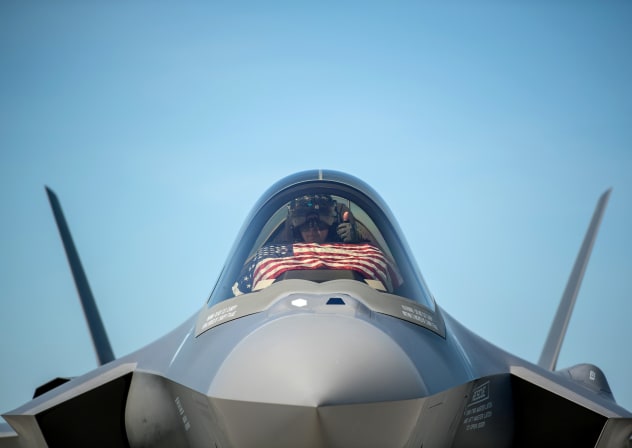
According to the letter, no F-35 aircraft can be transferred to Turkey until Ankara fully complies with US law.
Bahrain and Kuwait secretly carried out airstrikes on Iranian drone and missile sites earlier this month, marking their first direct retaliation against Tehran, The Wall Street Journal reported.

“They refilled their stockpiles,” WSJ quoted former IDF air defense chief Brig.-Gen. Ran Kochav as saying. “They have very impressive industrialization and reconstruction capabilities."

DIPLOMATIC AFFAIRS: After decades of failed formulas, Israel is testing a new approach in Lebanon - one that seeks to change Beirut's behavior rather than Jerusalem's.

“The central danger is miscalculation. The conflict could become region-wide with very little warning,” founder of Q Advisory John Keith King said.
