Turkey waiting for sale contract from Qatar for Eurofighter Typhoon jets, defense ministry says
Under the deal with Britain, Qatar and Oman can supply Turkey with some of its own Typhoons, though that requires a separate sales contract.

Under the deal with Britain, Qatar and Oman can supply Turkey with some of its own Typhoons, though that requires a separate sales contract.


The attacks have accelerated ahead of an election next week in which opinion polls show Prime Minister Benjamin Netanyahu and his pro-settler coalition could lose to more critical opponents.
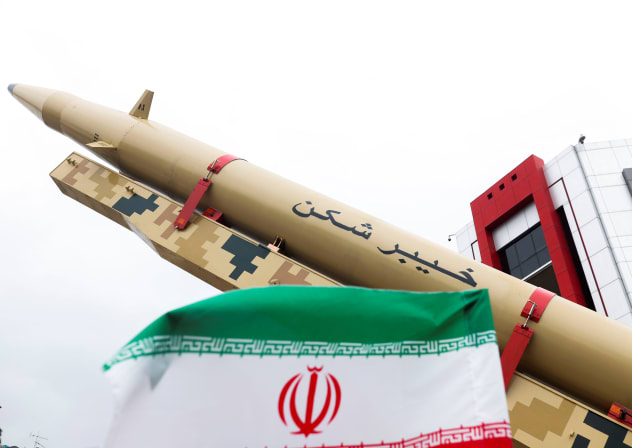
The announcement comes amid rising security tensions between Tehran and Washington and the possibility of renewed US strikes on Iranian territory.
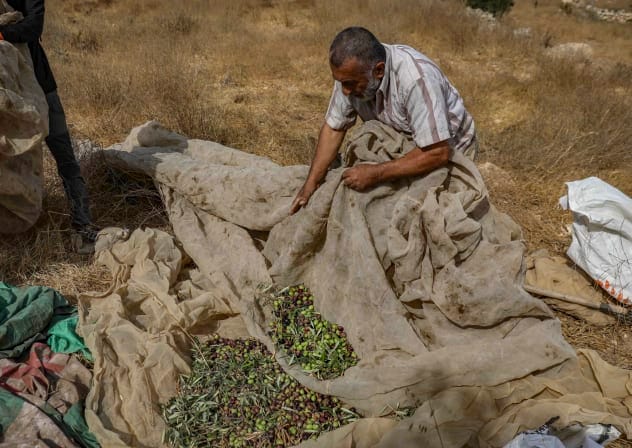
Levine, along with a group of Palestinians, journalists, and activists, was attacked by the settlers while harvesting olives near Abu Falah, northeast of Ramallah.

The order came as attacks in Saudi Arabia killed at least one person and injured eight others at a civilian airport in Dammam, and two people were killed in a drone attack on an oil field.

Striking Iran ahead of elections could constitute political interference, officials reportedly warn • US diplomats, families leave Saudi Arabia missions as regional conflict with Houthis

According to the report, the plans focus on a short, intensive military operation that could last approximately three days and include strikes on Iran's nuclear facilities.

The Saudi Civil Aviation Authority said that material damage was under assessment.

"They are making a major effort to regain operational experience and return to peak combat readiness," a security official said about Hezbollah.

Later on Wednesday, Iran's Islamic Revolutionary Guard Corps (IRGC)-run Fars News Agency reported that the regime is operating on the assumption that a US-Israeli attack is a "certainty."

Khamenei has not been seen in public since late February, when he reportedly went into hiding after joint US-Israel strikes killed his father, former supreme leader Ayatollah Ali Khamenei.
