US announces new sanctions against networks aiding Hezbollah, other Iranian proxies in Middle East
The sanctions targeted entities the US Treasury said supported the Iraqi-based Kataib Hezbollah and Lebanon-based Hezbollah.

The sanctions targeted entities the US Treasury said supported the Iraqi-based Kataib Hezbollah and Lebanon-based Hezbollah.


While al-Qaeda suffered losses and dislocation after the invasion of Afghanistan, its profile rose, and it expanded massively in the years that followed.

On Friday, US President Donald Trump threatened that he may soon order strikes against the site, with the US military currently developing a new bunker-buster munition for the task.
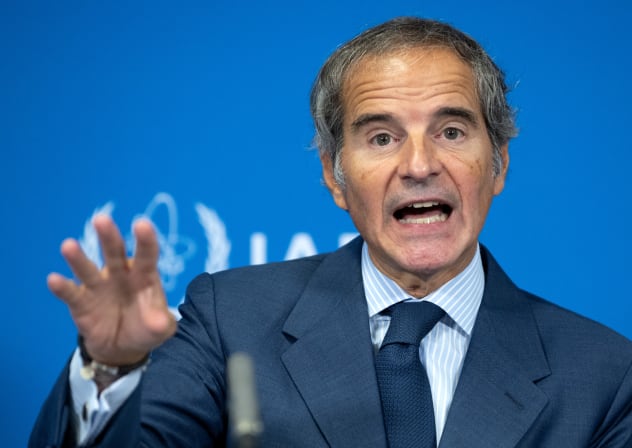
Getting the tanker war right will be a challenge for the US because of the factors involved. The White House is already signaling that the conflict and high oil prices will continue through midterms.

The information was found on the laptop of a Houthi commander captured by government forces in western Yemen, according to the military.
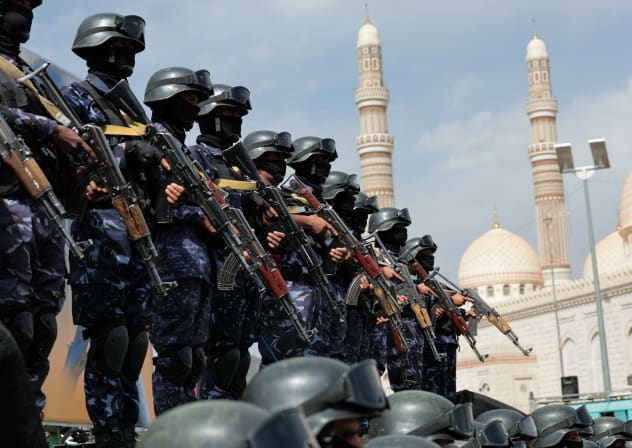
Yael Eckstein reflects on a year of life-saving assistance and looks ahead to expanding the IFCJ’s work in Israel and Jewish communities worldwide.
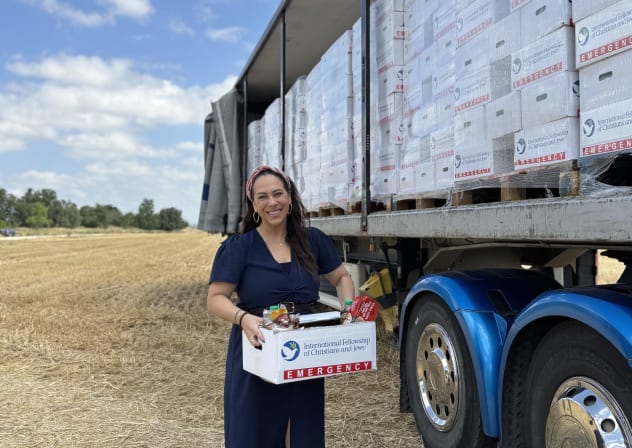
“Not only are [cluster munitions] inherently indiscriminate, but unexploded submunitions can kill and injure civilians long after hostilities conclude.”
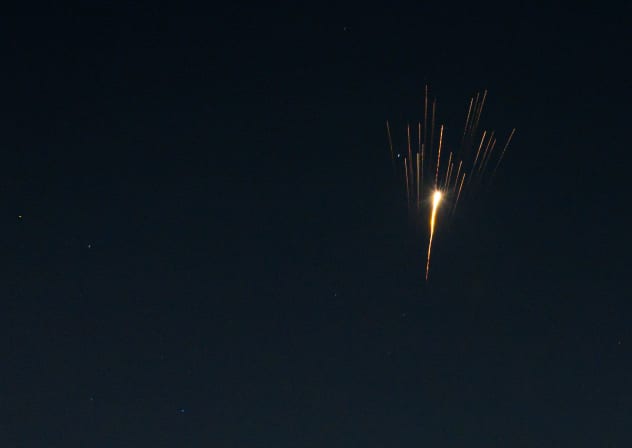
The advance by the Houthis was anticipated. It also appears that although the Houthis suffered some setbacks on other fronts, this offensive could have wider implications for the region.
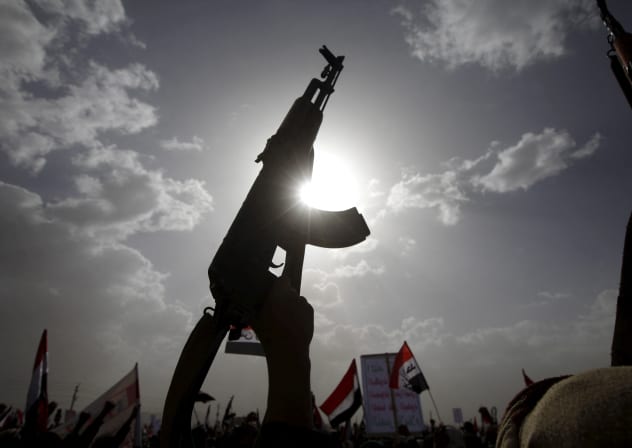
The Iranian-backed Houthi terror group took control of Mocha, a Yemeni port city on the Red Sea and less than 50 miles from the Bab al-Mandab Strait, Yemeni officials told Reuters on Thursday.

Government forces say their counteroffensive against the Houthi terror group is expanding, while battlefield gains and prospects for foreign intervention remain unclear.

The secretive trade mechanism, in which Iranian oil is exchanged for credits for Chinese imports, has provided a financial lifeline for Tehran in recent years.
