‘Armed to the teeth’: Syria buildup, Ankara involvement necessitated Israeli strikes - experts say
Ankara rejected allegations made by Jerusalem that the deployment of Turkish forces violated the “status quo” and posed a threat to Israel’s security.

Ankara rejected allegations made by Jerusalem that the deployment of Turkish forces violated the “status quo” and posed a threat to Israel’s security.


The Prime Minister's Office warned Tuesday that a Turkish troop deployment at a Syrian airbase would violate the existing "status quo" and pose an intolerable threat to Israel's security.

The detention was made at Ashraf Hassan Abbas al-Awar's home in the Silwan neighborhood in east Jerusalem.

US envoy Tom Barrack warned that Israel's strike on Abu al-Duhur airbase, near Idlib, Syria, could have led to a rapid escalation into a direct military confrontation, possibly including Turkey.

Claims by US President Donald Trump that the strait was open contradict Iran's assertions that it remained shut to shipping.

Iraqi parliament speaker asks Iranian counterpart for special status on Hormuz oil exports • Israel confirms strikes on Syria's Idlib airbase after US envoy condemns attack

CENTCOM chief Adm. Brad Cooper has been involved in the discussions, one source said, adding that he supports discussing the relocation of Gulf troops westward.

Iran’s drone strike on the Kurdistan Region may showcase new capabilities while warning Erbil and Washington that Tehran is willing to redraw regional red lines.
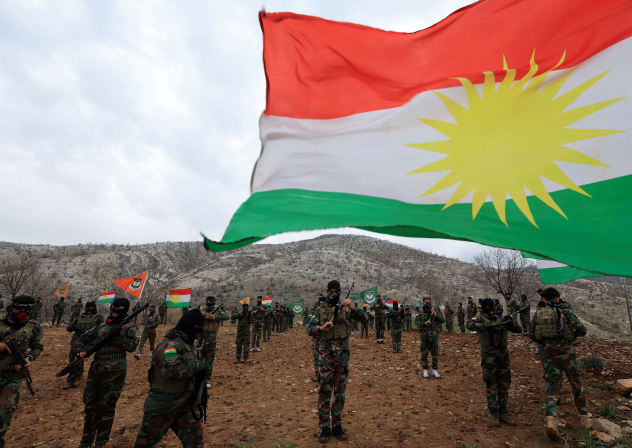
Iraq is seeking to diversify its oil export channels and maintain flexibility in marketing its crude amid the Iran war and the closure of the Strait of Hormuz.

Turkey condemned Israel's strikes on the Abu al-Dahur airbase in northwestern Syria but did not comment further, including about a potential deconfliction mechanism.

This occurred a few days after an Iranian military official accused Kuwait of withholding information about their fate.
