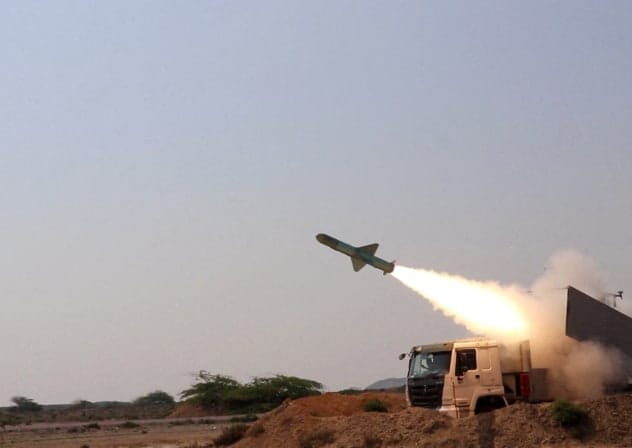
Iran expands attacks on Gulf states, testing US resolve and regional defenses - analysis
Iranian missile and drone attacks on Kuwait and Bahrain raise questions about Tehran's strategy, US retaliation and the risk of a wider regional conflict.

Iranian missile and drone attacks on Kuwait and Bahrain raise questions about Tehran's strategy, US retaliation and the risk of a wider regional conflict.


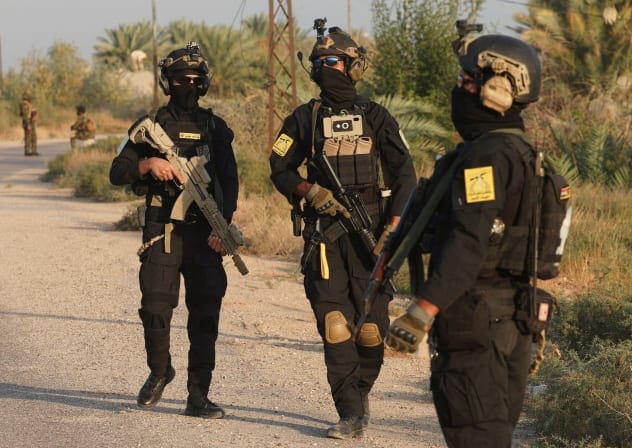
Ali al-Ali, an Iraqi political analyst, told The Media Line, "We may witness an open war between the Iraqi Hezbollah, backed by the Iranian Revolutionary Guard, and the Iraqi government.”
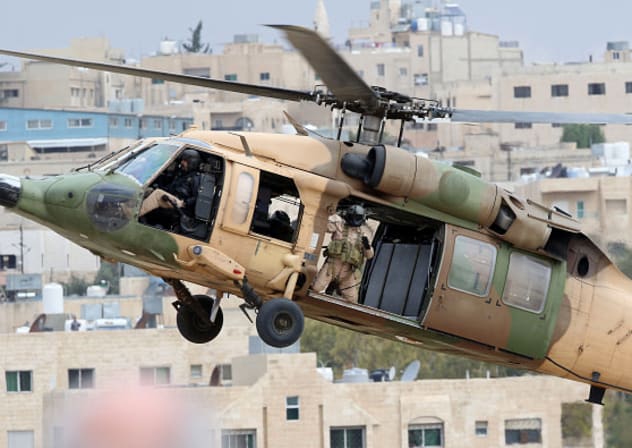
The Jordanian military gave no details of any casualties and said further updates would follow.
Tehran has formulated plans to escalate the war in order to push Washington back to the negotiating table, which could include stepping up attacks against tankers in Hormuz.

Bahrain, Kuwait intercept Iranian aerial attacks • US strikes Qeshm Island • Trump says taking Iranian threat against Washington seriously • Qatar and Oman pursue mediating talks with Tehran

Mohammad, an Iranian from Tehran, said that due to the fuel crisis, he is unable to make a living as a driver, even if he works "from morning until night."
The strike was in response to IRGC aggression targeting US personnel and assets.
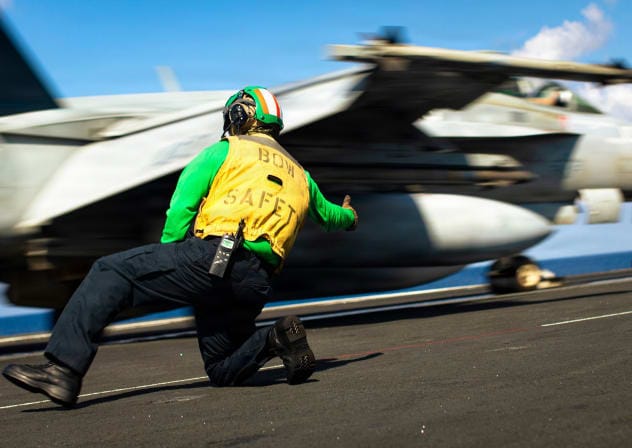
"Your friendship clearly shows that you...understand that Israel can be a beacon to the entire region, and a great source of support for a partnership with the Iranian people," Herzog told Pahlavi.

"Without proper shelter, without critical relief items, then hypothermia deaths will occur," Karl Baker, head of the International Organization for Migration's (IOM) Gaza program, said.
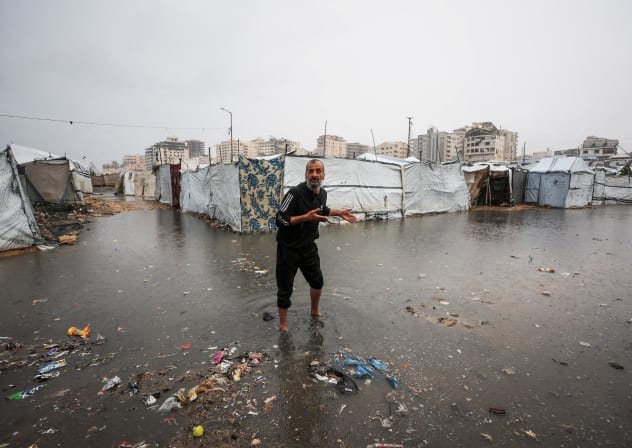
Iran's parliament speaker warned against strikes on dams after a report raised questions about possible links between the country's water infrastructure and underground missile facilities.

The IRGC said the attack was in response to what they described as continued violations of Iranian airspace by US military drones.