Iran's Pezeshkian discusses mediation efforts in meeting with Pakistan's army chief
Munir's first meeting on Tuesday was with Iranian Foreign Minister Abbas Araghchi, Iran's official Islamic Republic News Agency (IRNA) reported.

Munir's first meeting on Tuesday was with Iranian Foreign Minister Abbas Araghchi, Iran's official Islamic Republic News Agency (IRNA) reported.


The investigation found that 41 women had sold their eggs a total of 811 times, according to Gürlek.

On Tuesday, Netanyahu described the Iranian regime as "so fanatical" that it will continue its nuclear ambitions and attempt to rebuild its terror proxy axis "as long as it lives."

Lebanese President Joseph Aoun confirmed Lebanon's participation in the talks on Monday, according to a report by Lebanese outlet Beirut Wire.

Israel and Morocco established diplomatic ties in 2020 as part of the Abraham Accords, with Morocco among the first countries to normalize relations with Israel under the agreements.

Iran’s ambassador to Iraq says Tehran and Baghdad have reached an agreement on as Iran seeks to suppress what it calls Kurdish ‘terrorist’ and ‘separatists.'

Lebanon failed to approve a National Action Plan, provided only fragmented data on trafficking cases and victim identification, and failed to adequately screen potential trafficking victims.

Report in UAE media says Houthis send spiritual advisors to front to encourage troops to believe in 'miracles' as they face Yemen government offensive.
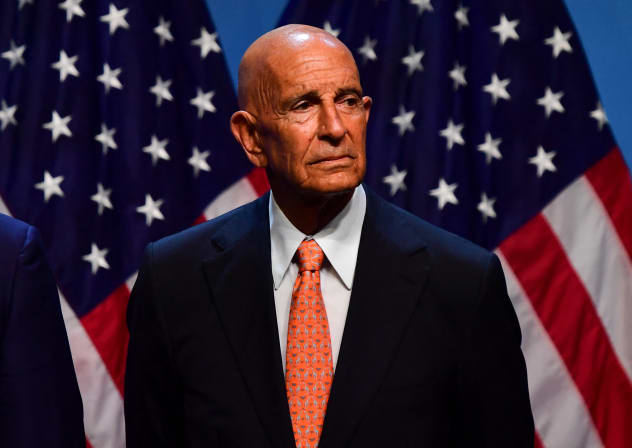
Tehran analyst Saeed Leylaz said that, by prolonging the talks, "Iran is influencing the US election without taking any unlawful action."

The visit comes as the US appears to be considering new strikes on Iran. Israel is also on edge as elections approach. There are many factors at play.

More than a year has passed since Lebanon’s cabinet tasked the army with bringing all weapons under state control, but Hezbollah continues to fire at Israel and threaten civilians
