US State Department restores Israel to highest anti-trafficking ranking for first time since 2021
Justice Minister Yariv Levin called the renewed Tier 1 ranking recognition of Israel’s intensive work against human trafficking.
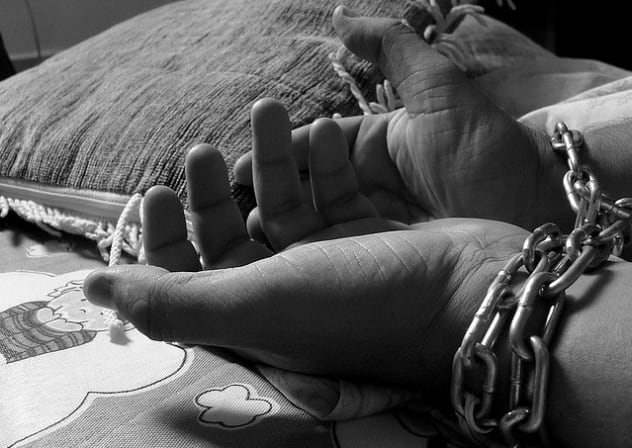
Justice Minister Yariv Levin called the renewed Tier 1 ranking recognition of Israel’s intensive work against human trafficking.


The ministry database contains sensitive information about more than 100,000 people and, under the regulations, is therefore subject to high security requirements, the authority said.

The former hostages Yazji held captive include Emily Damari, Romi Gonen, and Matan Angrest.

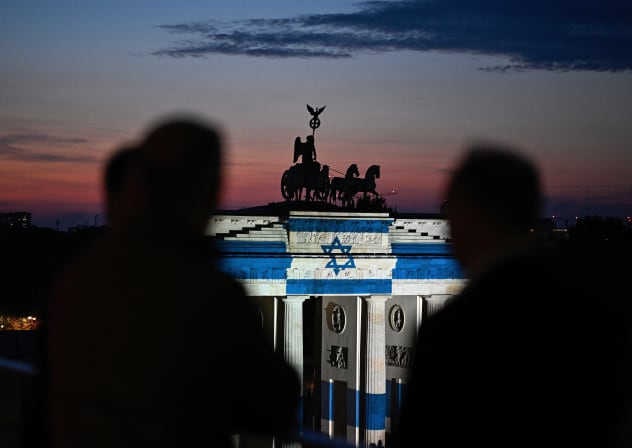
“Our Israeli friends can count on our efforts to ensure that such a crime is never repeated. And we will stand up to those who relativize or even question Israel’s right to exist."
Aaron Sorkin's The Social Reckoning transforms Facebook's scandals into a gripping drama about whistleblowers, online extremism, and the consequences of unchecked social media power.

Eight Israeli defense companies showcased combat-proven drones, AI-powered robotics, and advanced communications systems at a Moroccan defense exhibition under the Abraham Accords.

Foreign Minister Gideon Sa'ar told The Jerusalem Post that Israel will retaliate against countries taking hostile diplomatic action, warning Britain it risks losing influence in Gaza and Jerusalem.

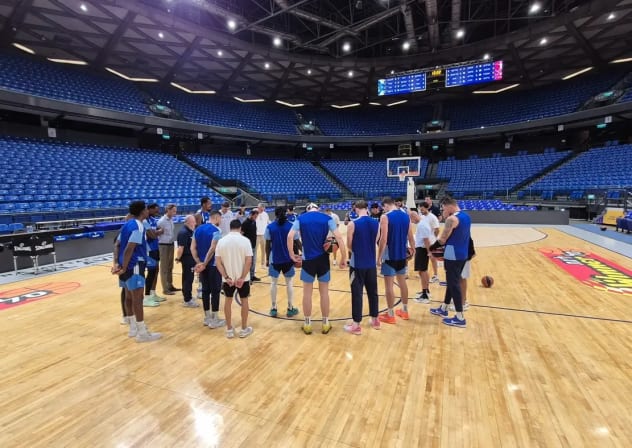
The Yellows will hold several Oct. 7 commemorations, including inaugurating a new team and holding a ceremony named after Cpt. Rotem Levi.
He also warned that the Palestinians are preparing for an “all-out confrontation” against Israel, claiming that its first stage would take place at the upcoming Palestinian Authority elections.

The Jerusalem Municipality and Hapoel Jerusalem launched a program led by Afik Nissim to support IDF veterans wounded in body and soul. Win Assist

The request followed an announcement by the Global Sumud Flotilla that it was recruiting foreign activists to travel to Israel and participate in activities in olive-harvesting areas in the West Bank
