The team everyone abandoned: Ironi Kiryat Shmona, three years without home
Ironi Kiryat Shmona completes three years without a home or fixed routine, leaving club members furious: "Nobody cares about bringing us home."

Ironi Kiryat Shmona completes three years without a home or fixed routine, leaving club members furious: "Nobody cares about bringing us home."


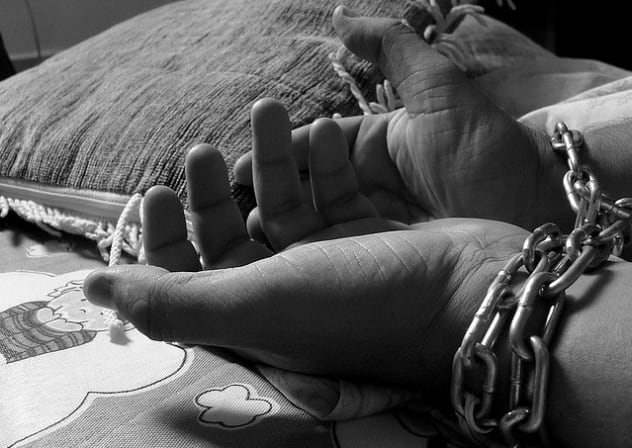
Justice Minister Yariv Levin called the renewed Tier 1 ranking recognition of Israel’s intensive work against human trafficking.
“What the public is being told is not what actually happened,” he added. “This isn’t my truth. It’s the country’s truth.”

Rami Levy must file its defense in the class action within 30 days, after which the court will decide how the case will proceed.

Five Gence players were injured when a hotel elevator plunged three floors before a EuroCup game, but FIBA refused to postpone it.

The ministry database contains sensitive information about more than 100,000 people and, under the regulations, is therefore subject to high security requirements, the authority said.

The former hostages Yazji held captive include Emily Damari, Romi Gonen, and Matan Angrest.

“Our Israeli friends can count on our efforts to ensure that such a crime is never repeated. And we will stand up to those who relativize or even question Israel’s right to exist."

Aaron Sorkin's The Social Reckoning transforms Facebook's scandals into a gripping drama about whistleblowers, online extremism, and the consequences of unchecked social media power.

Eight Israeli defense companies showcased combat-proven drones, AI-powered robotics, and advanced communications systems at a Moroccan defense exhibition under the Abraham Accords.

Foreign Minister Gideon Sa'ar told The Jerusalem Post that Israel will retaliate against countries taking hostile diplomatic action, warning Britain it risks losing influence in Gaza and Jerusalem.
